07
Oct
From Model to Machine: My PhD Journey in Prefabricated Timber Construction
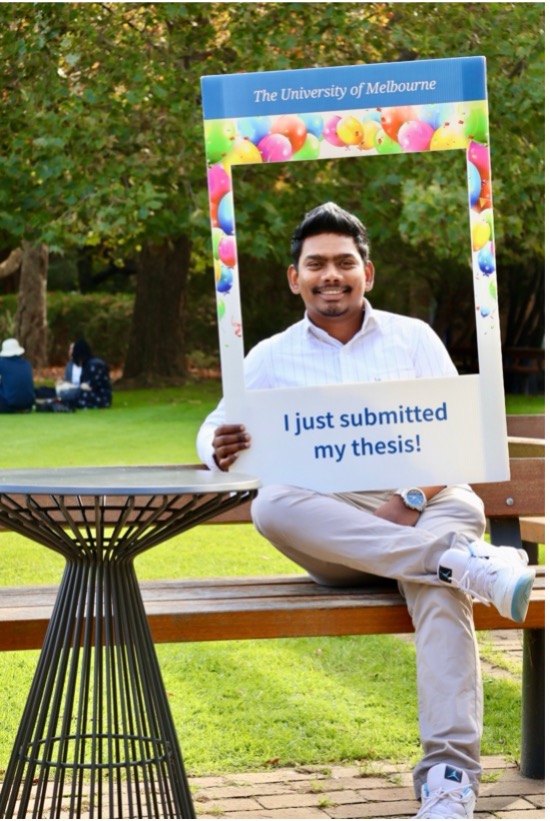
The ARC Advance Timber Hub is super proud of Sasindu Samarawickrama in completing his PhD at the University of Melbourne this year, with his research supporting Hub Project 6.3 “Digital and Physical Systems Design for Optimised Design-to-Delivery of Prefabricated Timber Housing“.
His PhD Thesis is titled: DIGITAL INTEGRATION FRAMEWORK FOR DESIGN-TO-DELIVERY OPTIMISATION IN PREFABRICATED TIMBER SYSTEMS
Sasindu describes it in one sentence as “My PhD explored how we can better connect the digital design of prefabricated timber buildings with the systems used to manufacture them.”
To learn about Sasindu’s PhD journey please read this wonderful recap below.
From Model to Machine: My PhD Journey in Prefabricated Timber Construction
Sasindu Randil Samarawickrama
PhD Researcher, Department of Infrastructure Engineering, The University of Melbourne
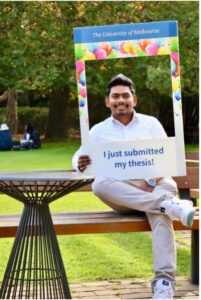 Completing my PhD at the University of Melbourne has been a journey that went far beyond writing a thesis. My research was undertaken as part of Project 6.3 of the ARC Advance Timber Hub, within the Manufacturing Innovation research node. The broader project focuses on improving the design-to-delivery process for prefabricated timber construction and supporting more efficient offsite manufacturing in Australia.
My background is in structural engineering, and I have always been interested in how engineering can connect with digital technologies, computational design and automation. Timber particularly interested me because it brings together sustainability, prefabrication, structural engineering and advanced manufacturing. Although timber is one of our oldest construction materials, modern engineered timber systems are creating new possibilities for how buildings can be designed, manufactured and constructed.
As I explored prefabricated timber construction, I became interested in a challenge that is often hidden behind the finished building. A timber component may eventually be produced using highly precise automated machinery, but before reaching the factory floor, its information can pass between architects, engineers, fabricators and manufacturers using different digital systems. These systems do not always communicate efficiently, and this became the main problem I wanted to investigate through my PhD.
Learning from the timber industry
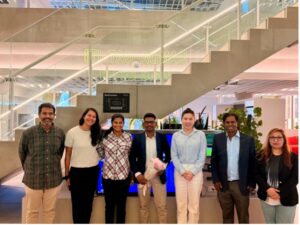
One of the most valuable parts of my research was learning directly from professionals working in the Australian prefabricated timber industry. I conducted industry interviews with architects, structural engineers, fabricators, manufacturers and other professionals involved in timber design and delivery. These conversations helped me understand how information actually moves through a project and where difficulties occur between design, engineering, fabrication and manufacturing.
A recurring issue was that even when detailed architectural and structural models already existed, manufacturers often still needed to modify, restructure or recreate information before it could be used for production. This can create duplicated work, inconsistencies, extra coordination and delays. For me, it highlighted an interesting contradiction: the physical manufacturing process can be highly automated, while parts of the digital process leading to it can remain surprisingly manual.
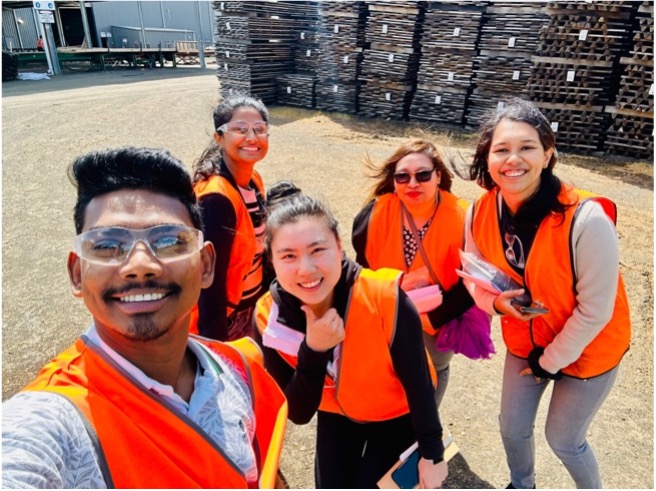
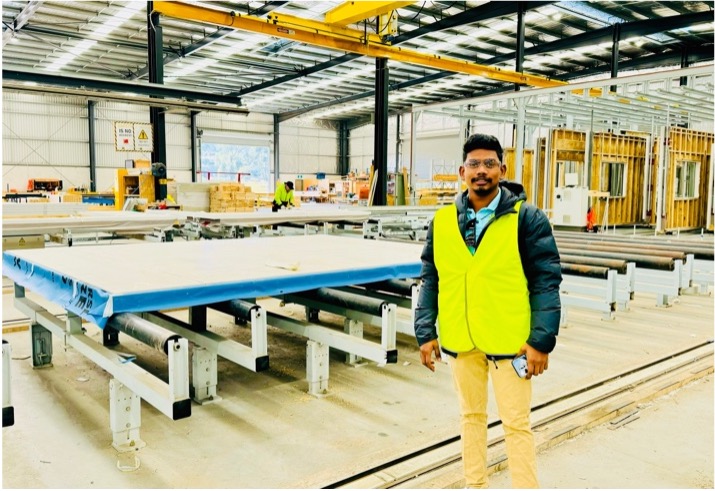
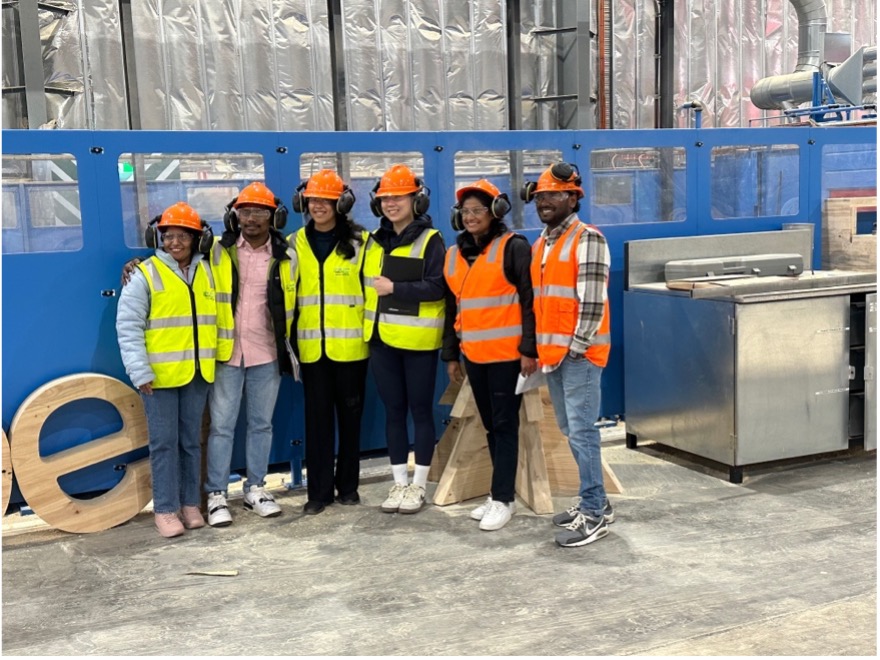
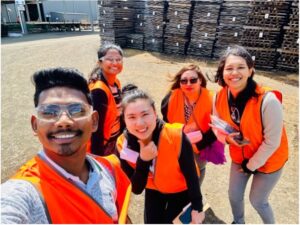
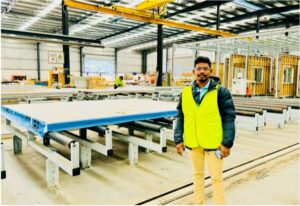
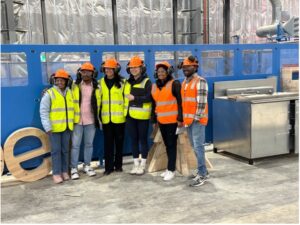
My research journey also took me outside the university. I had opportunities to visit timber manufacturing and prefabrication facilities, including Timberlink and DWTT, where I could see mass timber, panelised systems and manufacturing processes first-hand. Speaking with industry professionals helped me understand the challenges, while visiting manufacturing facilities made those challenges much more tangible and connected my digital research with what actually happens on the factory floor.
Connecting design and manufacturing
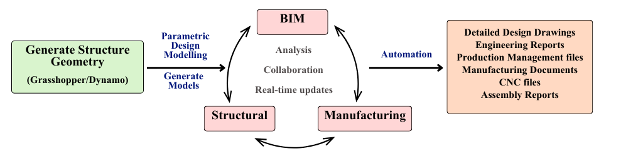
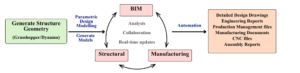
Based on the literature, industry interviews and observations of real workflows, my research mapped current design-to-manufacturing practices and identified where digital information was being lost, recreated or disconnected. I then developed a process model and a digital integration framework aimed at creating a better connection between design, engineering and manufacturing. This directly aligns with Project 6.3’s objectives around identifying integration bottlenecks and improving design-to-manufacturing processes.
The main idea behind my research is simple: information that has already been created should not need to be repeatedly rebuilt whenever a project moves between disciplines. Improving this connection can reduce unnecessary remodelling, support better coordination and create a stronger foundation for more efficient DfMA and future automation. I believe addressing this bottleneck can help prefabricated timber construction become more efficient, reliable and scalable.
Research beyond the thesis
It has also been rewarding to see the research develop beyond the thesis itself. My PhD has resulted in several journal and conference papers, with some already published and others currently under review or revision. The work covers areas including digital integration, software interoperability, DfMA and DfD, design-to-manufacturing workflows, and the perspectives of professionals working within the Australian prefabricated timber industry.
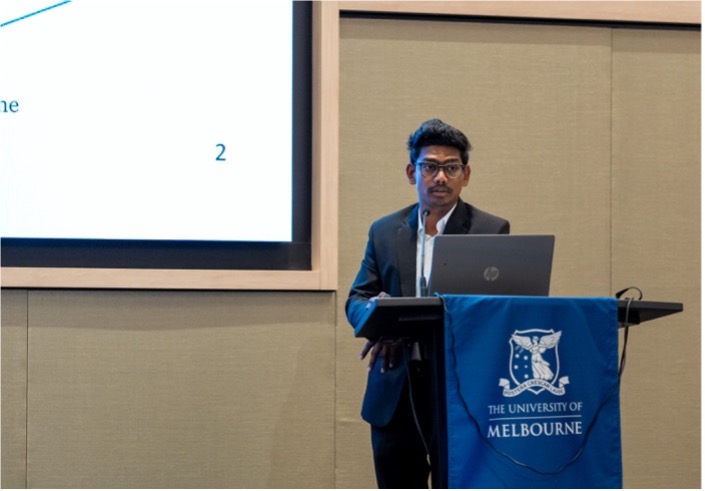
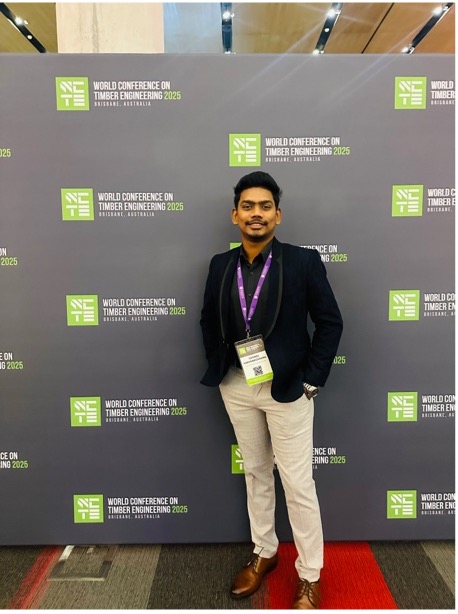
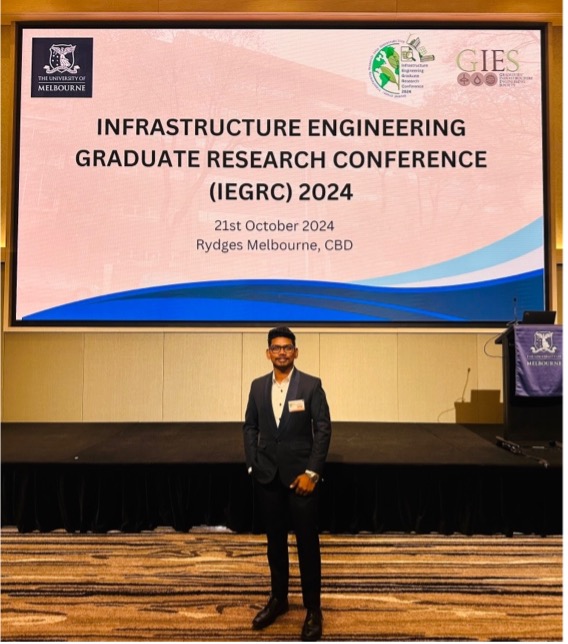
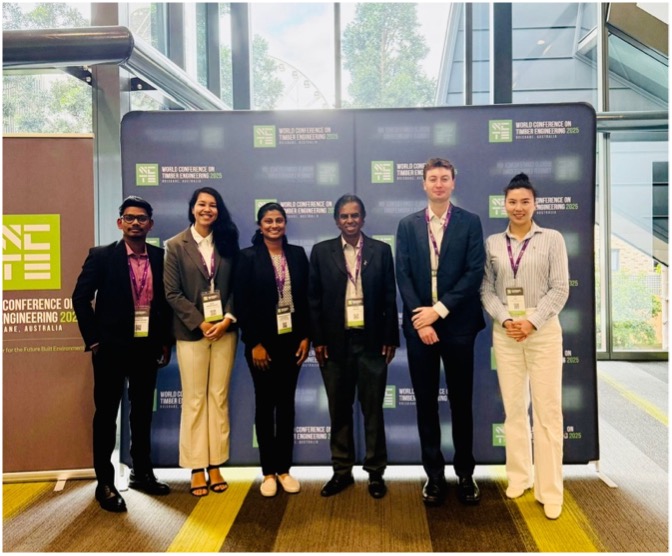
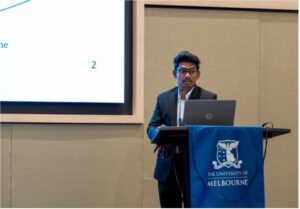
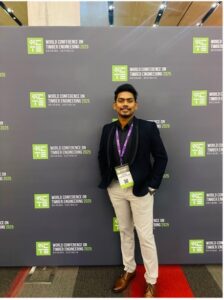
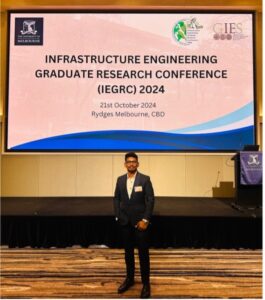
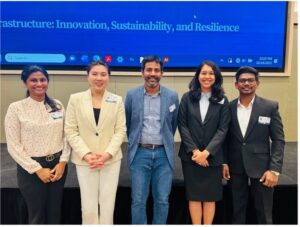
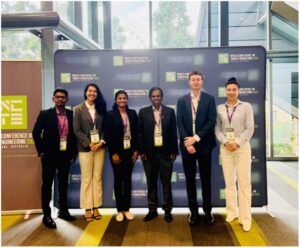
I also had opportunities to present my research at conferences including the World Conference on Timber Engineering (WCTE) and the Infrastructure Engineering Graduate Research Conference (IEGRC). These experiences allowed me to share my research, receive feedback and connect with researchers and industry professionals. My research collaborations also continue through ongoing publications and work with my supervisors, research team and connections developed throughout the PhD.
What excited me about the ARC Advance Timber Hub
What excited me most about being part of the ARC Advance Timber Hub was seeing research connected to real industry challenges. The Hub brought together researchers, universities and industry professionals working across timber design, manufacturing, materials, sustainability and construction. It gave me opportunities to look beyond my own PhD topic, engage with industry, visit manufacturing facilities and understand how different research projects contribute to the wider advancement of timber construction in Australia.
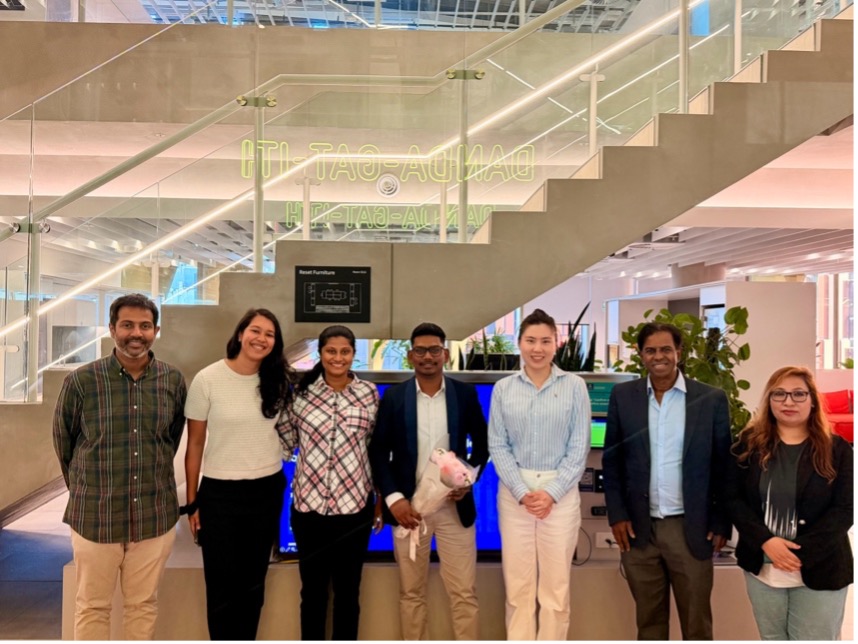
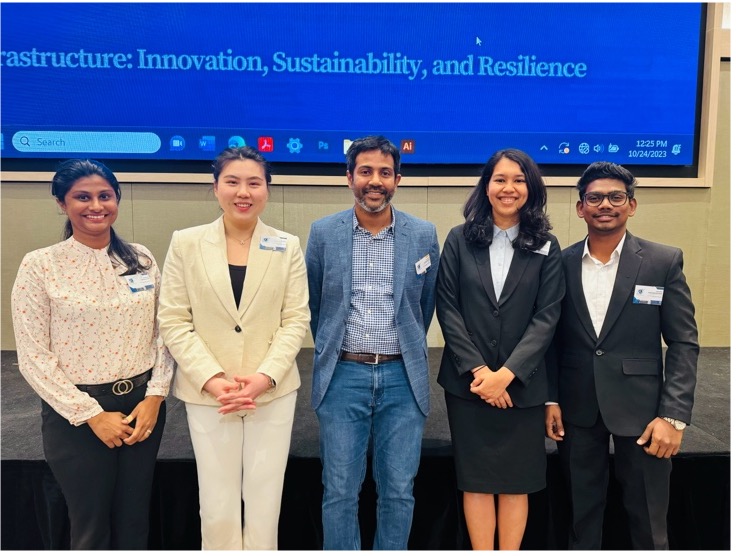
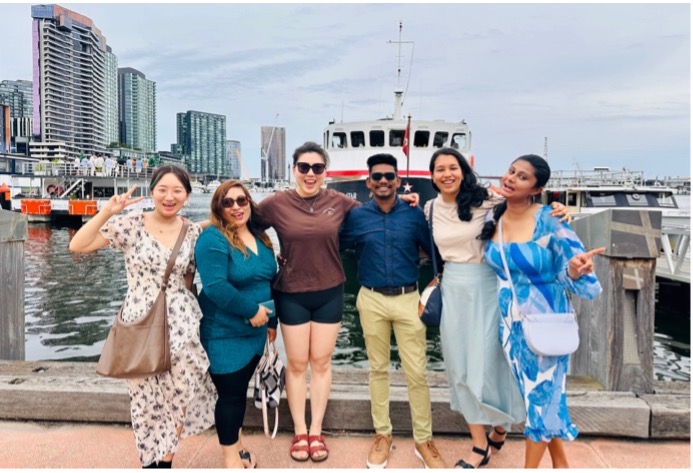
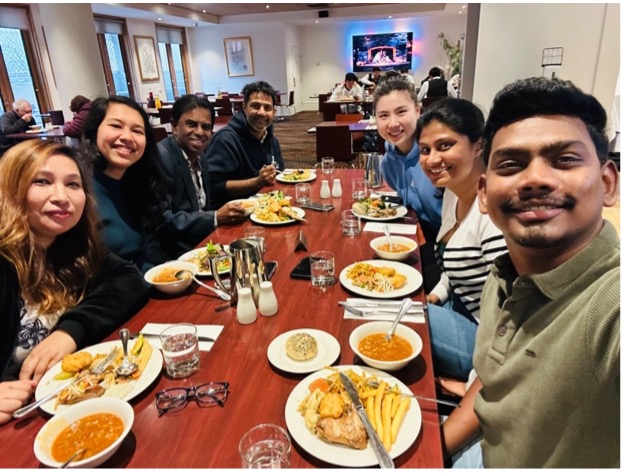
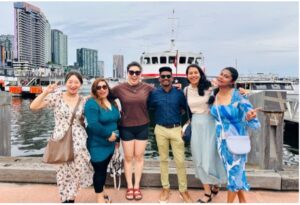
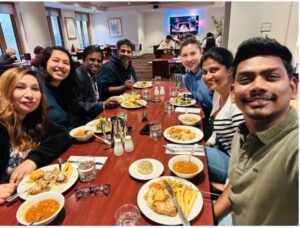
I also valued being part of a larger research community. At the University of Melbourne, our timber research team included Isuri, Harshani, Yi, Sumitha and myself, each working on different timber-related research areas. Although our individual projects were different, we shared ideas, conferences, field visits, research discussions, milestones and plenty of casual outings and celebrations. Those friendships and shared experiences became an important part of my PhD journey.
I was also fortunate to work under the guidance of Prof Priyan Mendis, Dr Tharaka Gunawardena and Dr Nic Bao. Their support, together with the wider Timber Hub community, helped me see my research as one part of a much broader effort to advance timber construction. Looking back, I started my PhD thinking mainly about connecting digital systems, but finished with a much greater appreciation of connecting people, disciplines and ideas as well.
Enjoying the PhD beyond research
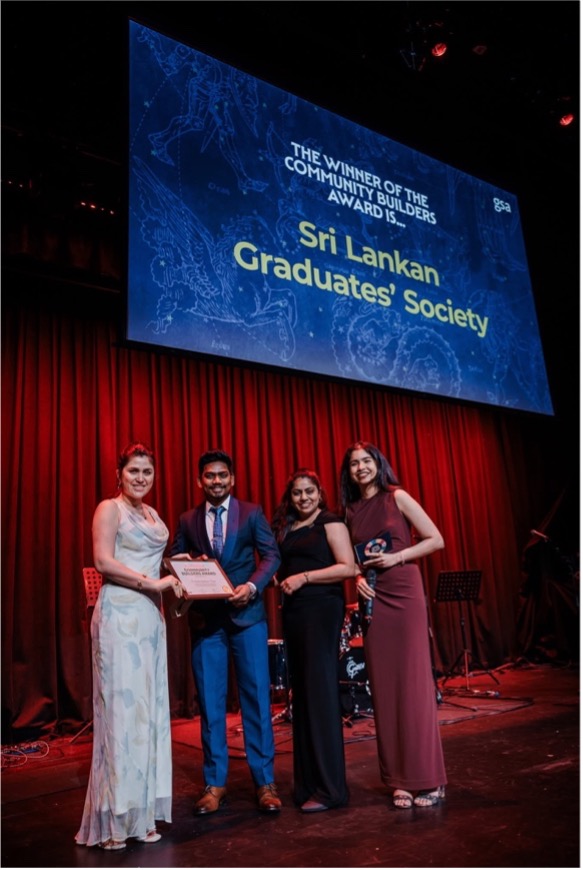
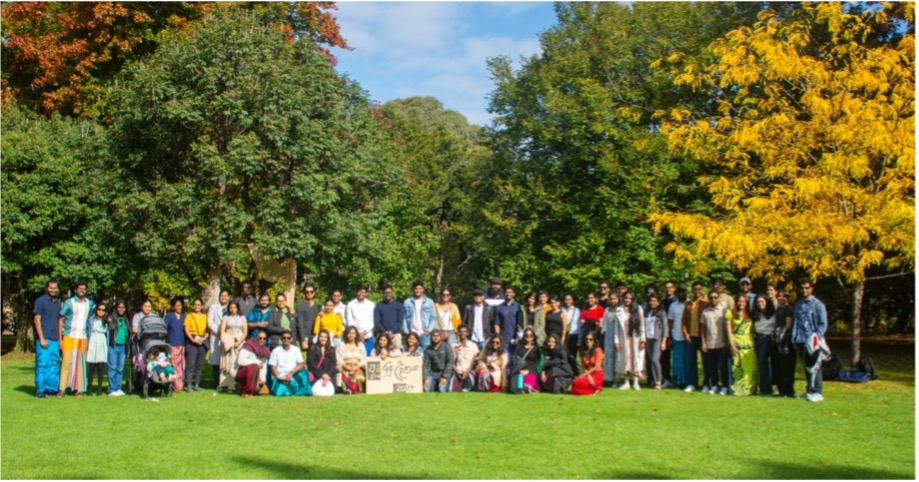
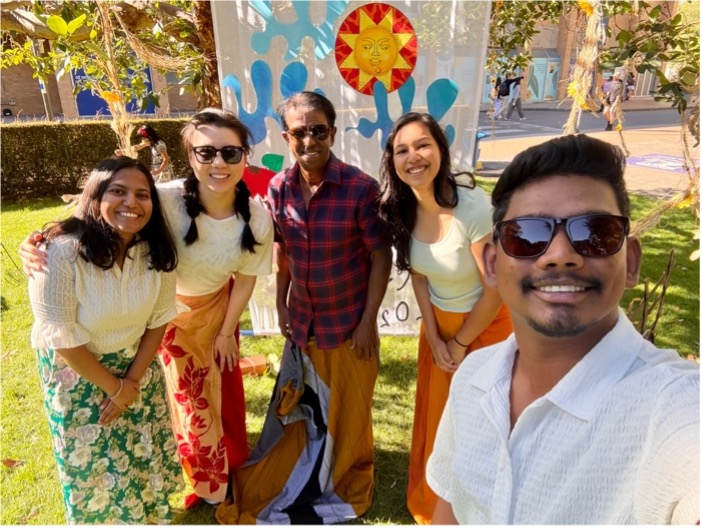
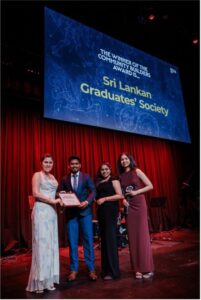
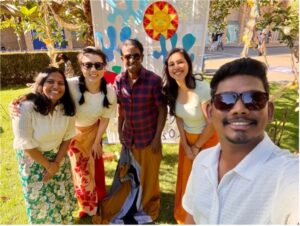
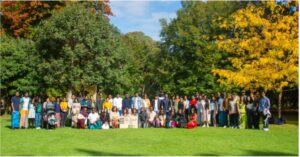
My PhD years were also much more than research. I was actively involved in student leadership and volunteering, including serving as President of the Sri Lankan Graduates’ Society at the University of Melbourne. Leading a committee, organising events and working with the wider student community gave me a valuable balance alongside research and helped me develop leadership, communication, teamwork and organisational skills.
I was especially proud that our team received the GSA Community Builder Award 2025, while our “Awurudu Udanaya” event was recognised as Runner-Up for Best Club Event at the UMSU Clubs & Societies Awards 2025. I also contributed to other volunteering and university activities during my PhD. Balancing these experiences with research was sometimes challenging, but I genuinely enjoyed them, and they became an important part of how I experienced university life.
How the PhD shaped my future
My PhD has strongly influenced the kind of engineer I would like to become. It gave me a deeper interest in timber engineering and changed the way I think about structural design. I now tend to look beyond structural analysis alone and think about how something will be detailed, communicated between disciplines, manufactured and eventually constructed.
I am currently working as a Graduate Structural Engineer, where my immediate focus is on developing strong practical experience across different structural systems and projects. In the longer term, I hope to build deeper expertise in timber structural engineering and combine structural design with some of the computational, digital and manufacturing knowledge I developed during my PhD. For me, completing the PhD is not the end of my timber journey, but the foundation for the direction I hope to take in my career.
A timber building I would love to visit
If I could visit any timber building in the world, I would choose Ascent in Milwaukee, USA. As a high-rise mass-timber building, it demonstrates what can be achieved when innovative structural engineering, timber technology, prefabrication and modern construction methods come together. With my research background and long-term interest in timber structural engineering, I would love to experience a project of this scale in person and understand the engineering and construction thinking behind it.
Thank You!