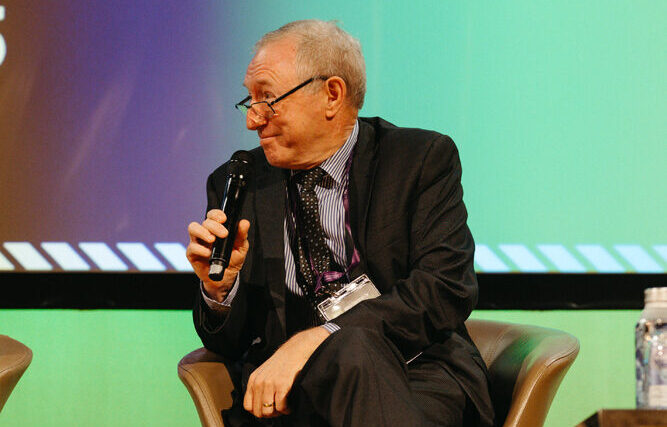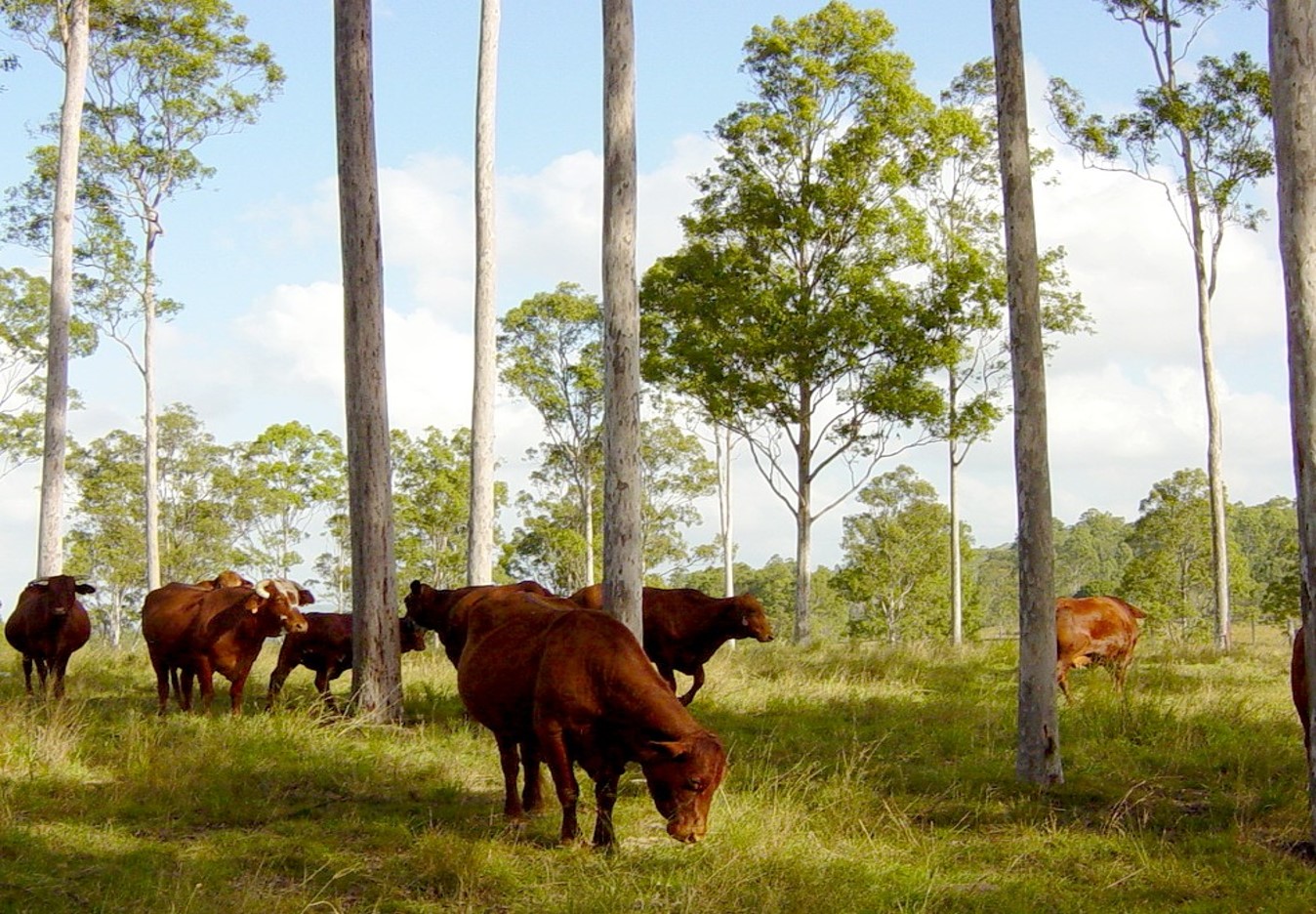
WoodCentral has published this article following Professor Keith Crews interview on ABC Nightlife – The Future for our Timber.
WoodCentral article: Australia Needs to Plant More Trees – but Agroforestry Could Help Close the Gap

WoodCentral has published this article following Professor Keith Crews interview on ABC Nightlife – The Future for our Timber.
WoodCentral article: Australia Needs to Plant More Trees – but Agroforestry Could Help Close the Gap
MEDIA RELEASE
Australia must significantly expand its plantation forestry estate to meet future construction demand and support national emissions‑reduction goals, according to leading timber engineering expert Professor Keith Crews.
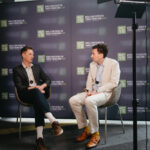
 Professor Crews, Director of the Australian Research Council Industrial Transformation Research Hub to Advance Timber for Australia’s Future Built Environment (ARC Advance Timber Hub) and Professor at The University of Queensland’s School of Civil Engineering, outlined the sector’s challenges and opportunities during a recent interview on ABC Radio’s Nightlife – the Future for our Timber.
He emphasised that timber remains the only mainstream construction material that is both renewable and capable of storing carbon throughout its service life.
“Timber is uniquely positioned to support Australia’s transition to a low‑carbon built environment. When sustainably managed, it sequesters carbon and offers a lower‑emissions alternative to concrete and steel,” Professor Crews said.
However, Australia’s plantation estate has remained largely unchanged for four decades, raising concerns about long‑term supply. Professor Crews said plantation area must increase by 15 to 20 per cent nationally to meet growing housing and mid‑rise construction needs, especially for softwood products.
This challenge mirrors policy developments in Queensland, where the state government has launched a 25‑year Queensland Future Timber Plan to secure supply for one million homes by 2044. The plan highlights the need for long-term expansion of sustainable plantation resources and aims to “co-design, co-invest and co-deliver” a strategy that meets construction demand while protecting jobs and regional economies.
“We need to plant more trees. This is essential not only for construction needs but for meeting national climate commitments.”
The interview also highlighted the critical role of circularity. Professor Crews said better design for deconstruction, reuse and repurposing will reduce waste and enhance timber’s carbon benefits. He noted that when timber products are kept in long‑life applications or repurposed rather than sent to landfill, carbon remains locked in the material.
Community contributions to the interview demonstrated widespread public commitment to sustainable timber practices. Callers discussed repurposing demolition timber, salvaging high‑value hardwoods, and recycling engineered wood products. Professor Crews described these activities as “excellent examples of circularity in action”.
Land availability remains a challenge. Callers expressed concerns about competition between plantation forestry and agricultural production. Professor Crews said integrated land‑use models—such as agroforestry—could support both sectors, provided long‑term investment models meet landholder needs.
Innovation also remains central to future growth. Professor Crews highlighted new processing techniques and engineered wood products that increase fibre recovery from logs and improve the commercial viability of plantation resources.
Despite ongoing challenges, Professor Crews said he is encouraged by emerging policy momentum.
“Strategic planning, such as Queensland’s new Future Timber Plan, signals that governments are recognising timber’s essential role in delivering the nation’s future housing and sustainability targets.”
ENDS
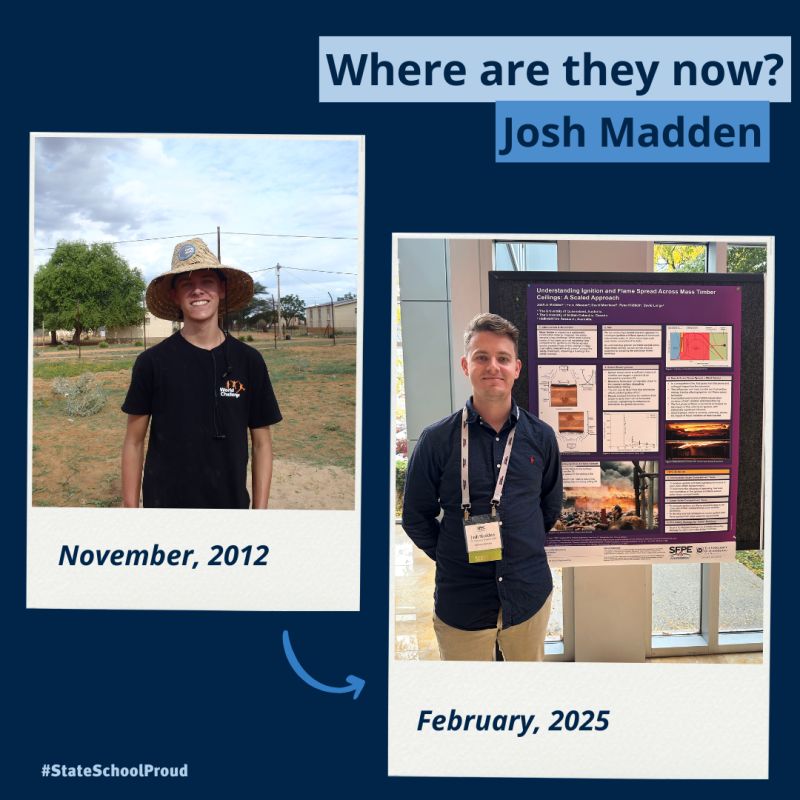
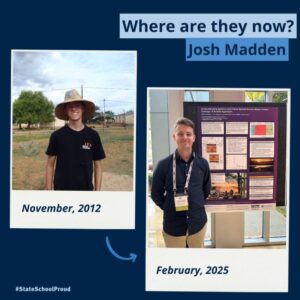
Great to see ARC Advance Timber Hub PhD Candidate, Josh Madden, celebrated in an inspiring story by the Queensland Department of Education on Josh’s career path. See: https://lnkd.in/g2dygXdg
As Josh advised “I owe a lot to the teachers who helped steer me towards engineering and showed me what was possible early on. A great reminder of how much impact schools and educators can have!”
Josh is a UQ School of Civil Engineering PhD candidate, with his research focused on the ARC Advance Timber Hub Project – Fire Safety Design of Open Plan Timber Compartments. Very proud his journey has led him to be part of the ARC Advance Timber Hub team.
The ARC Advance Timber Hub is pleased to promote this article by Wood Central that is interesting and relevant:
.
Led by the Green Triangle Forest Industries Hub, the project has unlocked new opportunities for value‑added manufacturing and growth. The work formed part of the Splinters to Structures project, a three-year research and commercialisation program delivered by Tim Woods’ IndustryEdge and supported by Forest & Wood Products Australia (an ARC Advance Timber Hub partner). Other partners on the project included Australian Forest and Wood Innovations, Whiteheads Timber Sales, Australian Bluegum Plantations, OneFortyOne, Timber Training Creswick, the Australian Forest Products Association, and the Queensland Government’s Salisbury Research Facility (another ARC Advance Timber Hub partner).
From Pulpwood to Glulam — The Aussie Bluegum as Strong as Steel!
Featured Image: A new hub making manufactured timber as strong as steel is being investigated in Australia’s ‘green triangle’. (Photo Credit: ID 328120716 | Glue Laminated Timber © Kim Nelson | Dreamstime.com)
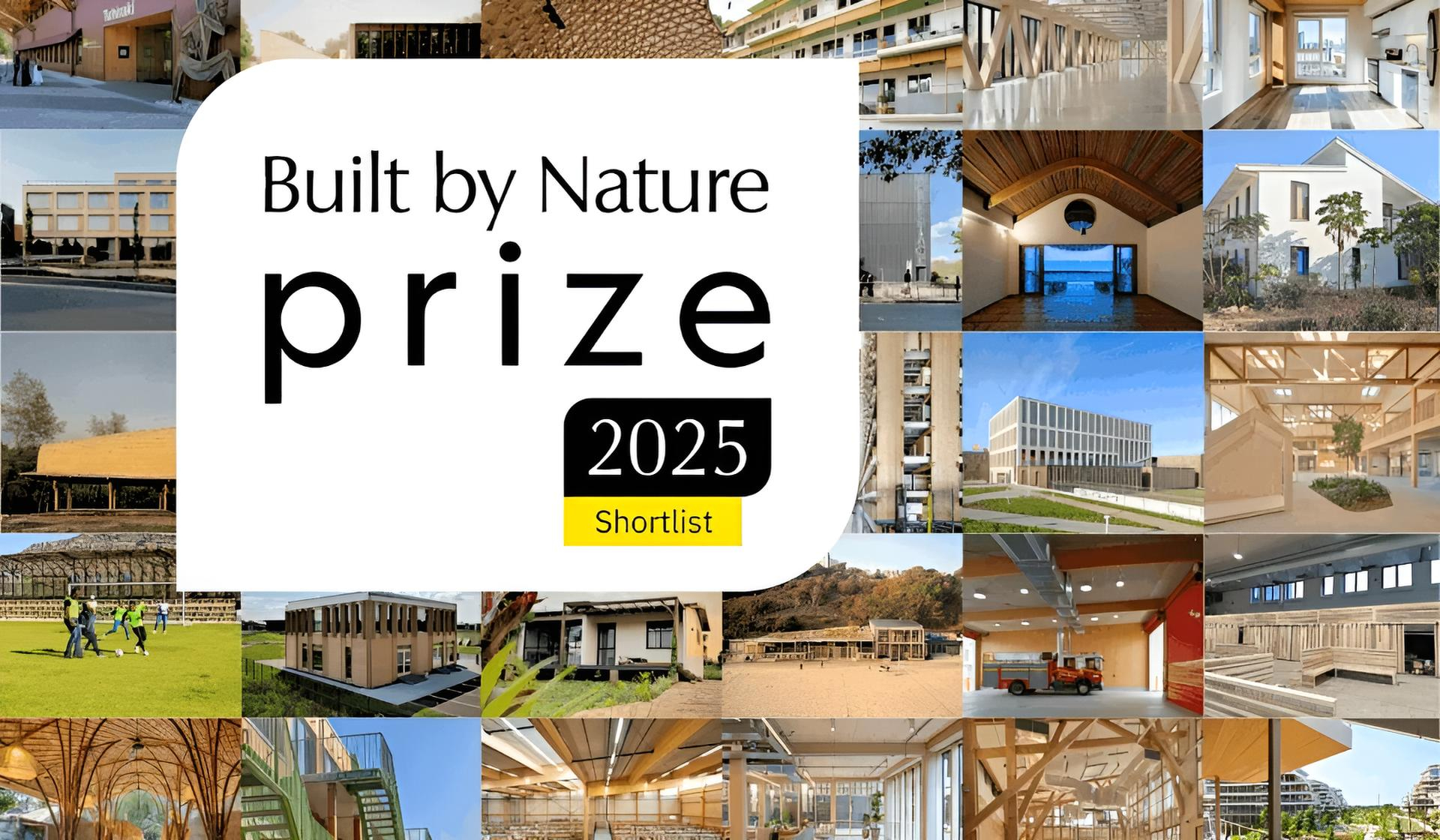
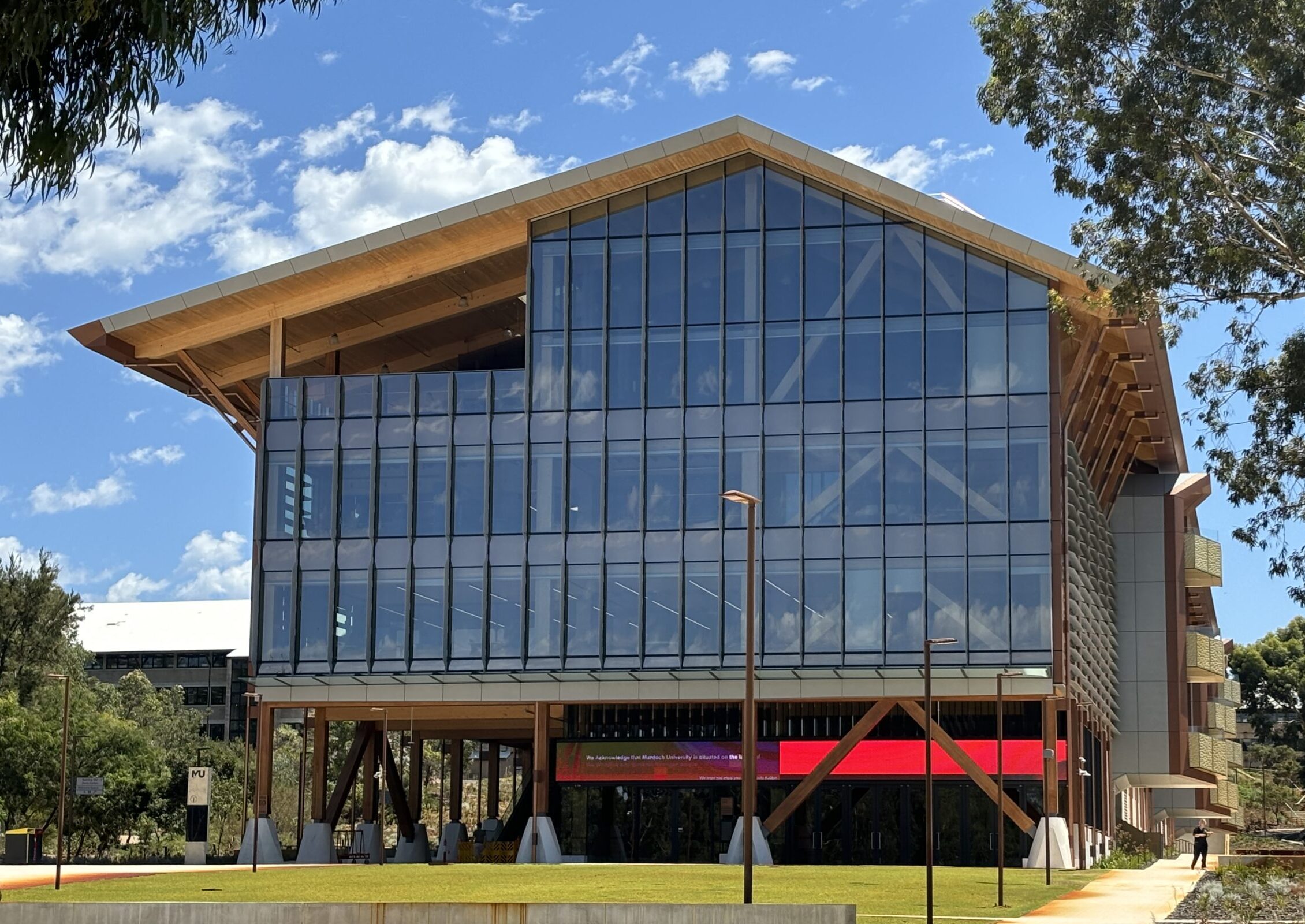
The ARC Advance Timber Hub is proud to advise that the Queensland Fire and Emergency Services North Coast Regional Headquarters and Maryborough Fire and Rescue Station, which is an exemplar project by The University of Queensland Centre for Future Timber Structures, has been shortlisted for the Built by Nature Prize 2025, celebrating the projects and people driving a global transformation in timber and bio-based construction.
This prize celebrates responsible timber construction around the world, and is open to completed buildings predominantly made of timber and bio-based materials. “We are honoured to be among the 28 shortlisted projects, selected from nearly 400 applications across 39 countries and jurisdictions”, said Kim Baber, who is the principal architect for the project from Baber Studio and Chief Investigator of the ARC Advance Timber Hub.
The 28 shortlisted projects were assessed against the Principles for Responsible Timber Construction—a common language and global framework to ensure that increased demand for wood is managed responsibly.
These principles are:
-Extending the life of existing buildings
-Accounting for Whole Life Cycle
-Ensuring Sustainable Forest Management
-Maximising the carbon storage potential of wood
-Promoting a timber building bioeconomy
The projects reflect a wide range of typologies—from housing, education, and workplaces to industrial facilities and public infrastructure—demonstrating the diversity and innovation in today’s timber construction sector.
From these projects, six winners and six commendations will be revealed at the Built by Nature Summit in London on 16 October.
The Centre for Future Timber Structures (CFTS) was established in 2015 through a partnership between the Queensland Government Department of Agriculture & Fisheries (now known as the Queensland Government Department of Primary Industries) and The University of Queensland (UQ). This initiative grew into the Australian Research Council (ARC) Future Timber Hub (2016-2021) and now the ARC Advance Timber Hub (2023 to current).
The Queensland Fire and Emergency Services North Coast Regional Headquarters and Maryborough Fire and Rescue Station is considered an exemplar project by UQ’s Centre for Future Timber Structures which carried out a full 3D scan of the existing structure bringing a range of intellectual property to the design team.
The principal architect for the project is Kim Baber of Baber Studio. Mr Baber, was also involved in the project as a Chief Investigator (CI) of the CFTS / ARC Future Timber Hub (representing UQ), and is now a CI for the ARC Advance Timber Hub. As of July 2025 he is now a CI of the ARC Advance Timber Hub, representing Bond University.
Professor Carlo Prato, former Head of the UQ School of Civil Engineering, emphasised during the official opening of the site back in April 2021, how the project embodies the immense potential for success that the CFTS pursues, “I cannot think of a better example of the heights that industry and research institutions can achieve when they join forces to pursue their dreams of making sustainable buildings a reality. And similarly, I cannot think of a better symbol of the importance of having architects and engineers work together to the design of the future of sustainable built environment.”
To learn more about the Timber Fire Station, we recommend you view the following video and showcase links from those involved:
Baber Studio: http://www.baberstudio.com.au/maryborough-fire-and-rescue-station/
Hutchinson Builders: https://www.hutchinsonbuilders.com.au/projects/community/maryborough-fire-station
Hyne Group: https://www.hyne.com.au/article/maryborough-fire-and-rescue-station
XLAM: https://xlam.co/projects/maryborough-fire-and-rescue-station/
Bligh Tanner: https://blightanner.com.au/project/maryborough-fire-station/
No matter what your role is, if you are associated with forestry, timber, construction or the built environment we want you to help shape the future of timber construction through this short SURVEY!
Just scan the QR code below or click SURVEY and in the time it takes to drink your coffee you can share your experience and views to shape the future of Engineered Wood Products (EWPs).
🕒 The survey takes approximately 10 minutes – survey closes end of 2025
What is the survey about: A global survey that explores the barriers, enablers, and motivators influencing the adoption of Engineered Wood Products (EWPs).
Who should do the survey: The survey seeks to understand the whole supply chain so is designed for architects, engineers, builders, policymakers, investors, planners, or any other part of the EWP supply chain. For further information, please see ARC Advance Timber Hub Project “Status, Perceptions and Priorities of EWP Industry in Australia“.
What if I haven’t used EWPs or are not sure what they are: We still want to hear from you. Whether you’re an expert in EWPs, haven’t used them before or are not quite sure what they are, your experience and views are important and will make a difference to the future of timber construction.
The research will:
✔ Inform policies, processes and investment for EWP supply and adoption; and
✔ Support the achievement of sustainable construction and circular economy goals
Grab a cuppa, take the survey and share your insights to accelerate the adoption of Engineered Wood Products (EWPs).
Featured Photo: Boola Katitjin, photo courtesy of K Rischmiller
Calling all timber industry professionals who design timber structures and joints in Australia. You are invited to complete a SURVEY to help establish the current understanding of connection design and common joint details in Australia. The survey results will inform research for the ARC Advance Timber Hub Project – “Connection Systems for Extended Building Life“, led by Dr Lisa Ottenhaus, with the aim to provide clear technical guidance and input for the revision of AS/NZS 1720.1 Chapter 4. Your participation is voluntary, anonymous, and the survey will take 10-15 minutes to complete.
The ARC Advance Timber Hub, represented by Director, Professor Keith Crews, is a standing member of the Queensland State Government’s Timber Supply Chain Ministerial Stakeholder Roundtable, established in May 2025, which includes representatives from Timber Queensland, AgForce, Queensland Farmers’ Federation, the Housing Industry Association, Forestry Australia, HQPlantations, Australian Forest Contractors Association and leading timber companies (such as Hub Partners, AKD & Hyne).
The Queensland State Government has committed to delivering a landmark timber action plan, the Queensland Future Timber Plan (QFTP), to ensure the State has access to the timber required to build one million homes over the next 20 years. The Timber Supply Chain Ministerial Stakeholder Roundtable aims to assist in the design of the action plan. The role of the Roundtable (over 12 months in line with the QFTP development timeline) will be to provide views to Government on the challenges and opportunities in ensuring a sustainable timber supply to support current and future construction needs.
Professor Keith Crews advised “This is a great measure of the impact that the ARC Advance Timber Hub is having and will have for Queensland Communities.”
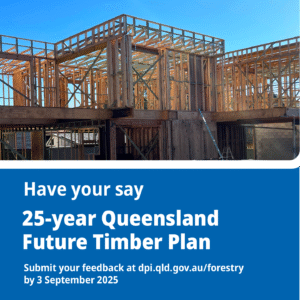
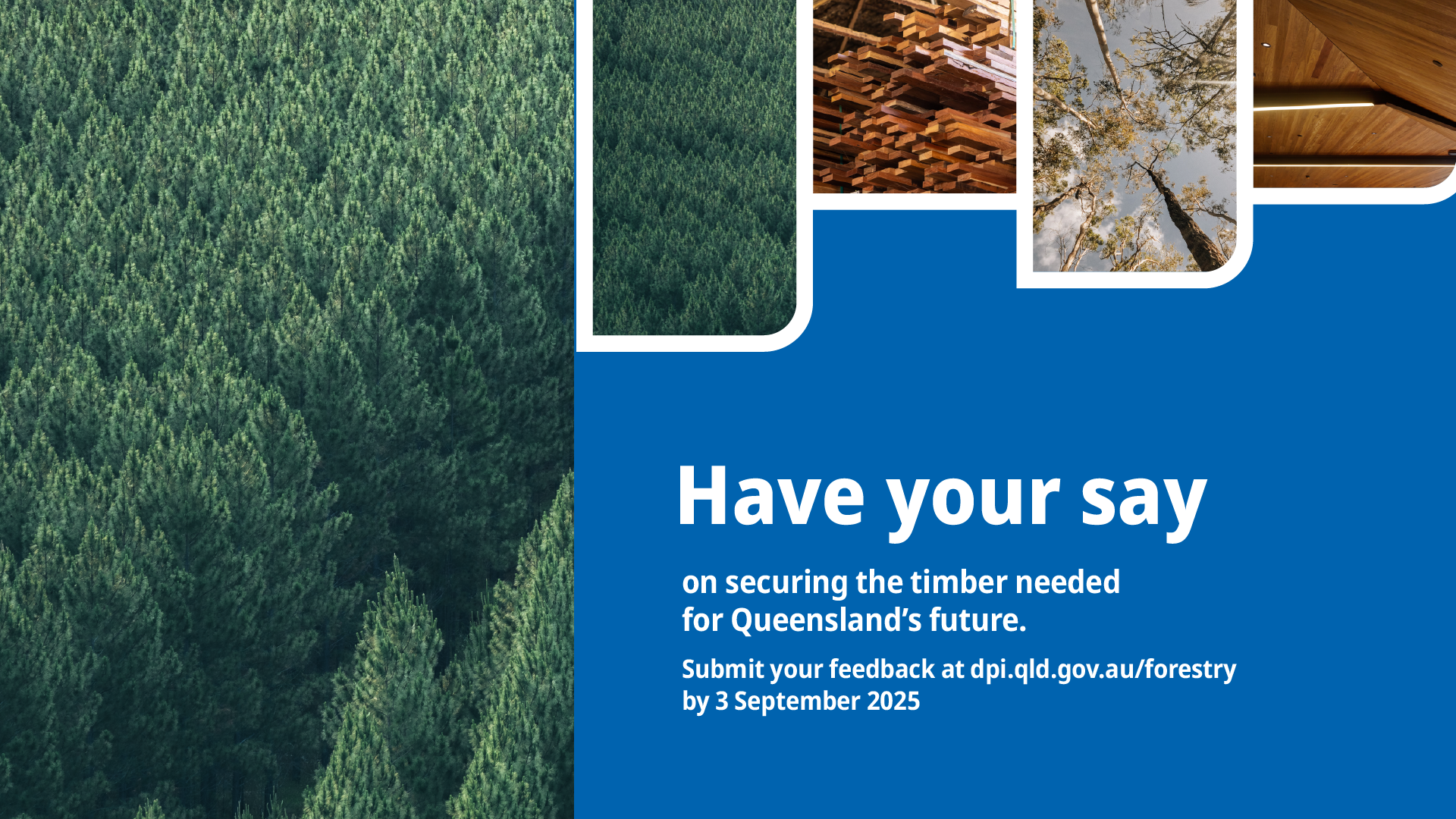
Last week the Queensland State Government released a draft Queensland Future Timber Plan, which had preliminary input from the Roundtable, and is seeking feedback by the 3rd September 2025.
Have your say on the 25-year Queensland Future Timber Plan—your insights will shape the 5-year action plan. Public consultation is now open!
The QFTP will focus on 5 key areas:
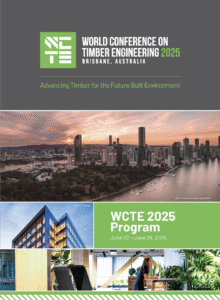
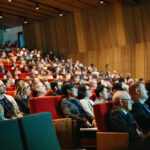
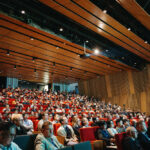
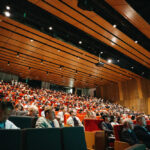
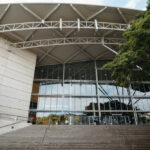
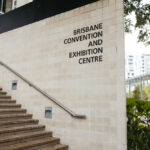
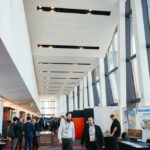
The University of Queensland and the ARC Advance Timber Hub were proud to host and organise the World Conference on Timber Engineering (WCTE 2025) which was held in Brisbane, Australia from the 22nd to 26th June 2025 at the Brisbane Convention & Exhibition Centre.
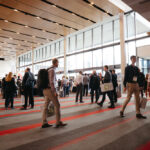
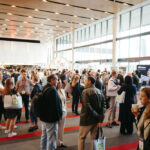
WCTE 2025 is the major event within the timber engineering society held in a biennial rhythm with consecutive conferences in Europe, America, Asia & Pacific. This was the first time it was held in Australia — and Brisbane embraced the honour with open arms. Attendees enjoyed sunny winter days, vibrant dining experiences, and exciting day trips that showcased the best the region has to offer.
WCTE 2025 attracted more than 950 delegates (inclusive of 280 students) from 44 countries, with more that 730 presentations, including 700 papers accepted for Proceedings. Notably, Australia led the attendance with 250 participants, followed by Japan (127), Canada (68), the U.S.A. (60), New Zealand (52), and Germany (44).
Participants had the opportunity to share ideas on nearly any subject related to timber engineering and architecture, from codes of practice, regulations, and legislations, to innovations, new practices, and future trends of bio-based sustainable and circular building materials used in construction. WCTE 2025 reflects the start-of-the-art in timber engineering.
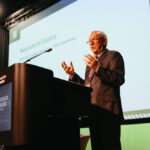
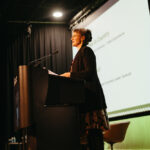
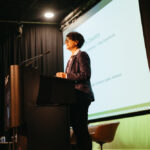
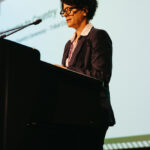
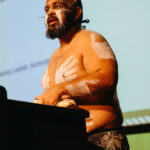
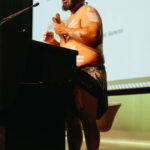
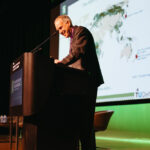
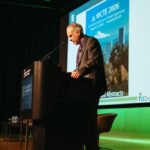
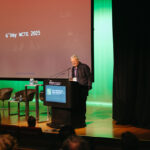
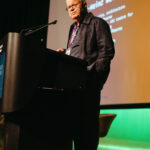
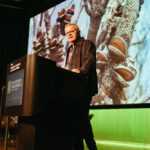
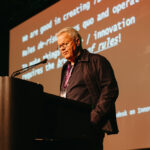
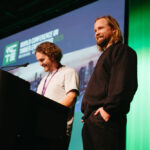
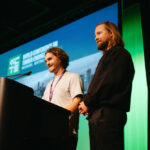
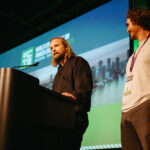
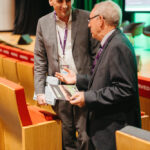
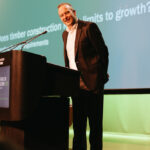
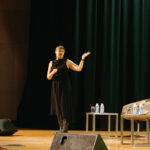
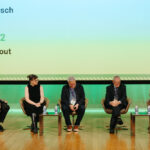
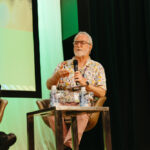
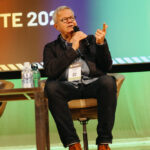
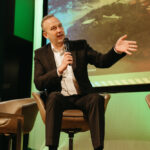
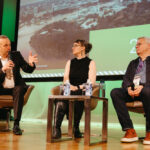
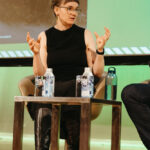
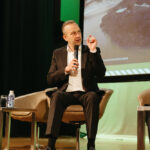
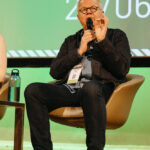
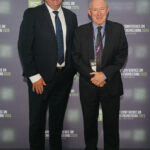
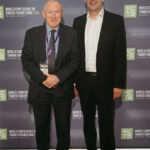
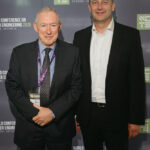
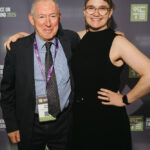
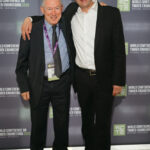
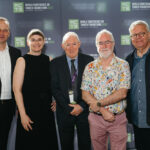
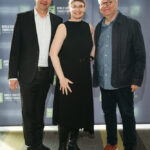
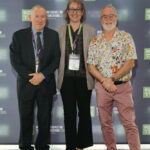
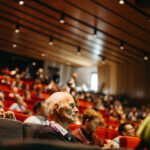
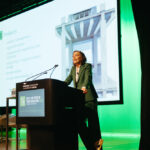
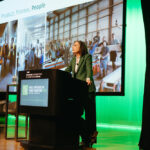
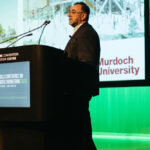
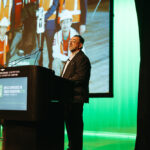
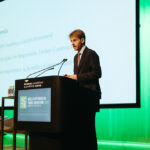
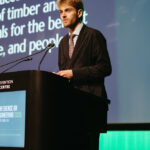
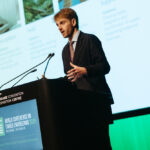
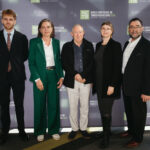
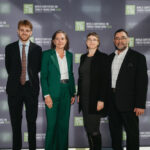
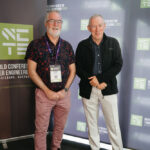
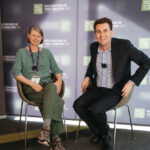
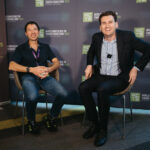
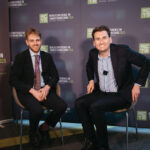
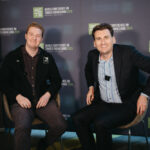
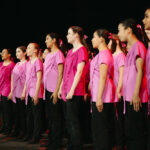
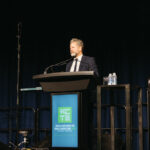
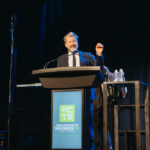
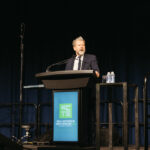
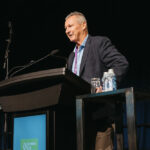
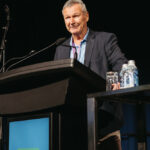
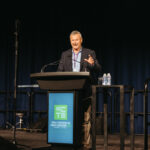
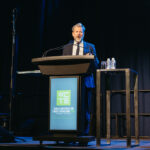
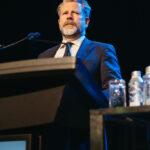
In order of appearance: WCTE 2025 Chair – Professor Keith Crews (The University of Queensland / ARC Advance Timber Hub), WCTE 2025 Executive Secretary – Kelly Rischmiller (The University of Queensland / ARC Advance Timber Hub), WCTE 2025 Keynote Speakers – Katharina Lehmann (Blumer-Lehmann Holding AG), Guy Gardner (Gardner Vaughan Group), Ralph Belperio (Aurecon), WCTE 2025 Deputy Chair – Professor Greg Nolan (University of Tasmania), WCTE 2025 Keynote Speakers – Professor Philipp Dietsch (Karlsruhe Institute of Technology), Professor Jan-Willem van de Kuilen (TU Munich / TU Delft), Jodie Bricout (Aurecon) & Harry Mills (Built by Nature)
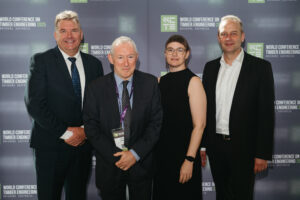
As Professor Keith Crews, WCTE 2025 Chair, and ARC Advance Timber Hub Director, said is his closing remarks, “I hope that you will leave this conference having met new colleagues and made new friendships that will support you in your future “timber” career. As I have said this on many occasions: “effective networking” based on building trust and helping one another is essential for producing excellence in timber buildings – and having fun doing it!!
Whether it is undertaking research and development or designing and constructing innovative projects – maintaining effective collaborations and friendships nationally and internationally is (I believe) the singularly most important factor for this to occur.”
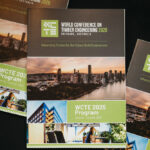
To see the full breadth of what WCTE 2025 had to offer, please view the WCTE 2025 Program.

The principal theme of the conference “Advancing Timber for the Future Built Environment” deliberately linked to the ARC Advance Timber Hub’s overarching deliverable, which is to develop the resources, enablers, and drivers to advance sustainable timber, as a natural resource, to be the material of choice, leading towards a net zero future for Australia’s built environment.
This inspired a comprehensive WCTE 2025 technical program, which includes papers and posters presented, and is now published on Proceedings.com, covering the following extended themes:
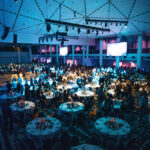
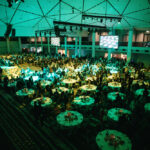
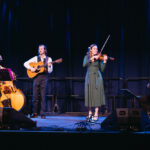
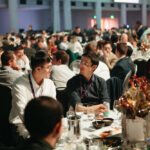
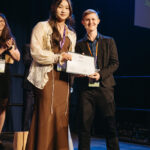
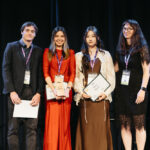
A special moment during the week was the recognition of future leaders in timber design. WoodSolutions sponsored WCTE 2025 as the Gala Dinner Sponsor and winners of the WoodSolutions supported Australian Timber Design Competition – a competition that saw students from across Australia design adaptive timber housing for the 2032 Olympic and Paralympic Athletes Village were announced at the dinner and acknowledged on stage. Congratulations to the winners — Charlie Bradley-Tasser, Tamara Birtasevic, and Ruiyan Li — for their outstanding work
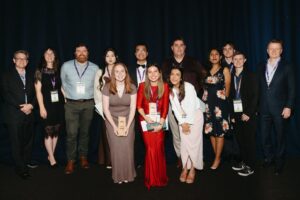
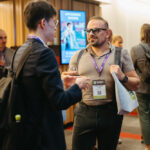
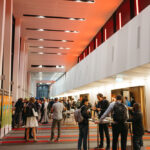
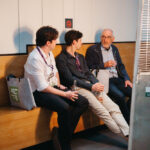
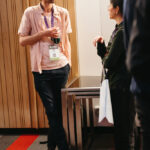
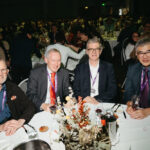
We’re also pleased to share a selection of photos from the event and a highlight videos capturing some of the most memorable moments. Please also note the full gallery of event images can be seen at the bottom of the page:
📸 View Photos:
🎥 Watch Videos:
As WCTE 2025 concludes, the focus now shifts to WCTE 2027 in Edmonton, Canada, and WCTE 2029 in Coimbra, Portugal. Brisbane has set a high bar—delivering not only a robust technical program but also a memorable cultural and social experience. The conference sparked new ideas, inspired fresh partnerships, and further strengthened the global momentum behind timber as a cornerstone of sustainable construction. The conversations and collaborations will no doubt continue to shape the future of timber engineering, as the industry moves toward a more sustainable and resilient built environment.
Here are some of the top articles and insights relating back to WCTE 2025, you can also see more posts by following the World Conference on Timber Engineering 2025 via LinkedIn:
WCTE 2025: World Conference on Timber Engineering | Brisbane, Australia
World’s top timber engineers visit Queensland’s Wild Horse Mountain





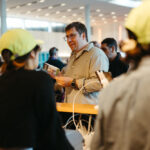
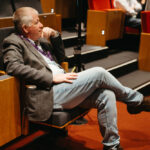


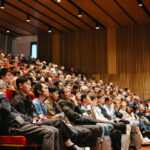
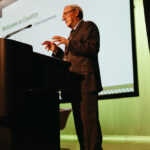














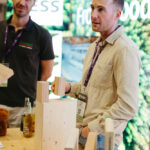
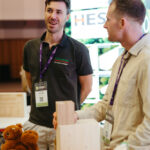























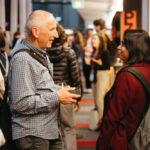





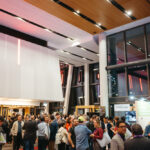



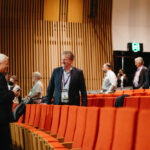


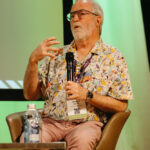

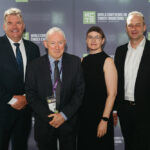
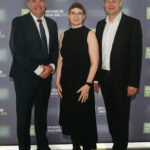
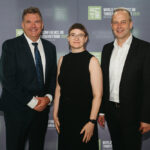













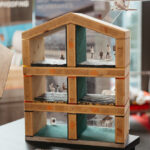
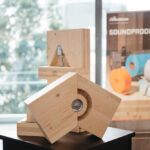
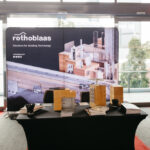

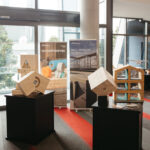
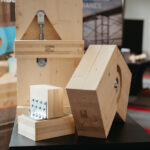
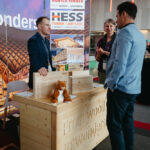
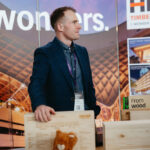
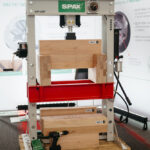

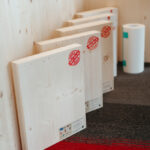
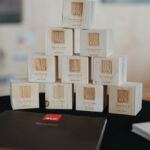


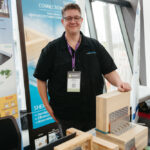
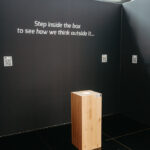
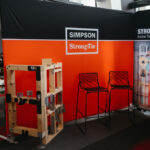
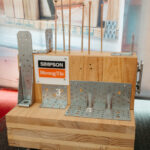





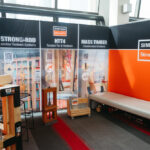
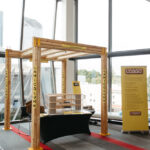
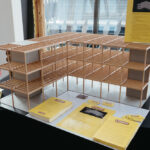
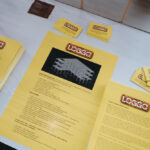
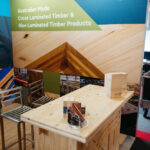
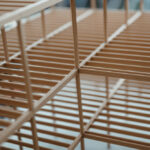

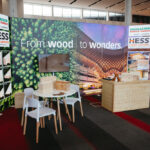
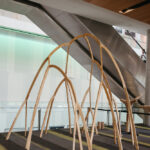








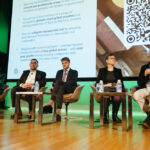
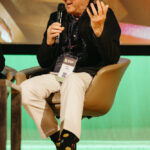
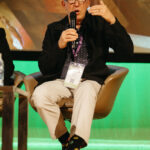

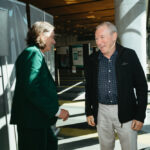

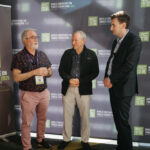
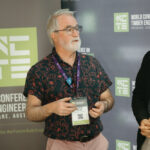
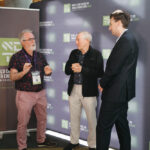
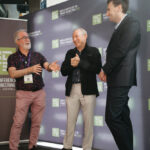

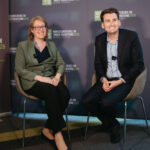

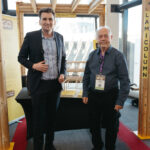
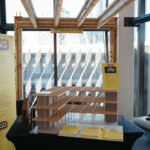
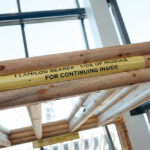
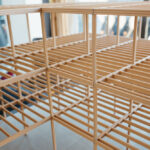
















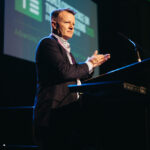
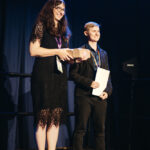



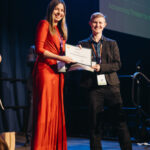
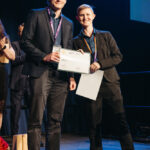




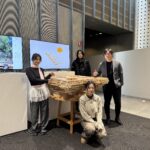
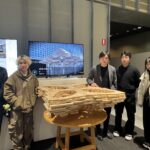
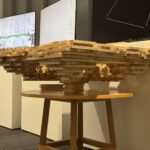
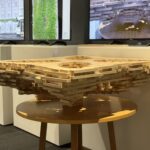
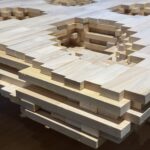
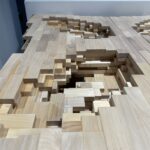
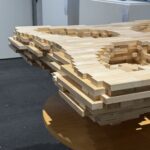
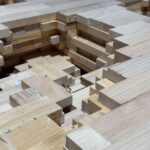
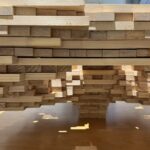
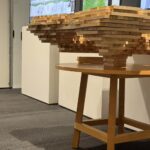
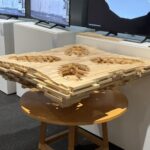
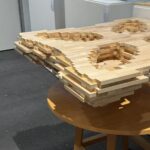
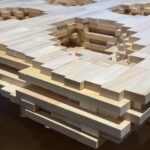
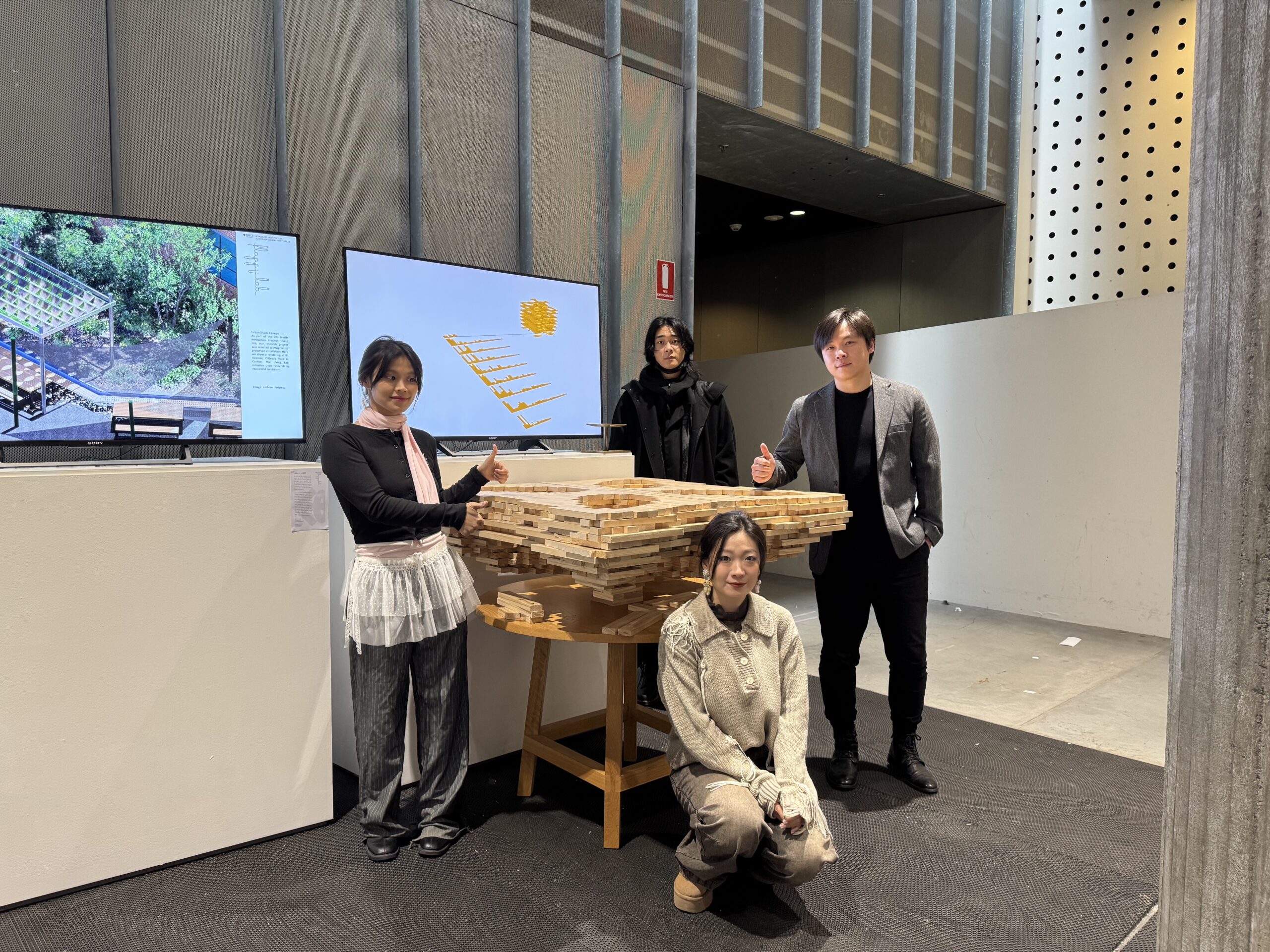
The project REIMAGINING TIMBER was launched during Melbourne Design Week from the 15th to the 25th of May, at the Level 1 Foyer, RMIT Design Hub. The exhibition featured a small-scale prototype that served as a testbed for a broader agenda under the ARC Advance Timber Hub, Manufacturing Innovation research node exploring the future of timber architecture and structures.
Project Leaders: Dr. Ding Wen ’Nic‘ Bao (RMIT), Dan Luo & Joe Gattas (UQ)
Designers: Nic Bao, Dan Luo & Joe Gattas
Structural Engineering: Nic Bao & Xin Yan
UQ Fabrication Lead: Lingju Wu
UQ Fabrication Team: Asteria Chen, Abbie Lin, Tyler Wang, Zhuoyang Xin
RMIT Fabrication Lead: Jinbang Liang & Parcey Liu
RMIT Fabrication Team: Kun Dai, Rita Lin, Zixin Wang, Amanda Chen, Harlan Guo
Post Production Team: Kang Liu & Kun Dai
Technical support: Ameba Institute of Engineering Structure Optimization & Karamba3D
Academic support: RMIT University RMIT Architecture RMIT College of Design and Social Context & The University of Queensland
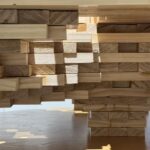
This project reimagines out-of-grade timber as a high-performance, customisable structural material through an intelligent design and construction methodology that integrates architecture, computational design, structural engineering, behavioural algorithms, and advanced manufacturing. The project establishes a real-time material processing system that forms a closed-loop feedback mechanism for structural adjustment and adaptive reuse. This approach fundamentally rethinks conventional sequential workflows in architecture and construction.
The exhibition showcased a series of scaled prototypes that explore this methodology, demonstrating its potential for long-span, large-scale timber structures. These prototypes highlight efficient fabrication workflows that leverage discrete assembly techniques, enabling precise construction while fostering closer collaboration between architects and structural engineers. By challenging traditional classification systems and fabrication constraints, the project envisions a future where timber construction is not only materially efficient, but also structurally expressive and technologically integrated.
The Reimagining Timber project was also proudly featured at the World Conference on Timber Engineering (WCTE) 2025, held in Brisbane from June 22nd to June 26th. This global event brought together leading experts, researchers, and industry professionals to explore innovative approaches to timber design and construction. Showcasing this project on such a large international platform highlighted its contribution to pushing the boundaries of sustainable architecture and advancing the role of timber in the built environment.
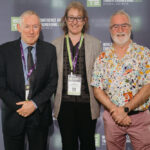
Above image: Nic Bao, Lingju Wu, Tyler Wang, and Abbie Lin.