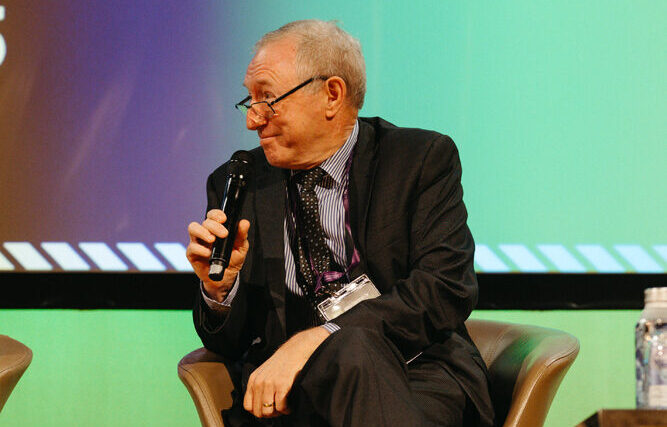
WoodCentral has published this article following Professor Keith Crews interview on ABC Nightlife – The Future for our Timber.
WoodCentral article: Australia Needs to Plant More Trees – but Agroforestry Could Help Close the Gap

WoodCentral has published this article following Professor Keith Crews interview on ABC Nightlife – The Future for our Timber.
WoodCentral article: Australia Needs to Plant More Trees – but Agroforestry Could Help Close the Gap
MEDIA RELEASE
Australia must significantly expand its plantation forestry estate to meet future construction demand and support national emissions‑reduction goals, according to leading timber engineering expert Professor Keith Crews.
 Professor Crews, Director of the Australian Research Council Industrial Transformation Research Hub to Advance Timber for Australia’s Future Built Environment (ARC Advance Timber Hub) and Professor at The University of Queensland’s School of Civil Engineering, outlined the sector’s challenges and opportunities during a recent interview on ABC Radio’s Nightlife – the Future for our Timber.
He emphasised that timber remains the only mainstream construction material that is both renewable and capable of storing carbon throughout its service life.
“Timber is uniquely positioned to support Australia’s transition to a low‑carbon built environment. When sustainably managed, it sequesters carbon and offers a lower‑emissions alternative to concrete and steel,” Professor Crews said.
However, Australia’s plantation estate has remained largely unchanged for four decades, raising concerns about long‑term supply. Professor Crews said plantation area must increase by 15 to 20 per cent nationally to meet growing housing and mid‑rise construction needs, especially for softwood products.
This challenge mirrors policy developments in Queensland, where the state government has launched a 25‑year Queensland Future Timber Plan to secure supply for one million homes by 2044. The plan highlights the need for long-term expansion of sustainable plantation resources and aims to “co-design, co-invest and co-deliver” a strategy that meets construction demand while protecting jobs and regional economies.
“We need to plant more trees. This is essential not only for construction needs but for meeting national climate commitments.”
The interview also highlighted the critical role of circularity. Professor Crews said better design for deconstruction, reuse and repurposing will reduce waste and enhance timber’s carbon benefits. He noted that when timber products are kept in long‑life applications or repurposed rather than sent to landfill, carbon remains locked in the material.
Community contributions to the interview demonstrated widespread public commitment to sustainable timber practices. Callers discussed repurposing demolition timber, salvaging high‑value hardwoods, and recycling engineered wood products. Professor Crews described these activities as “excellent examples of circularity in action”.
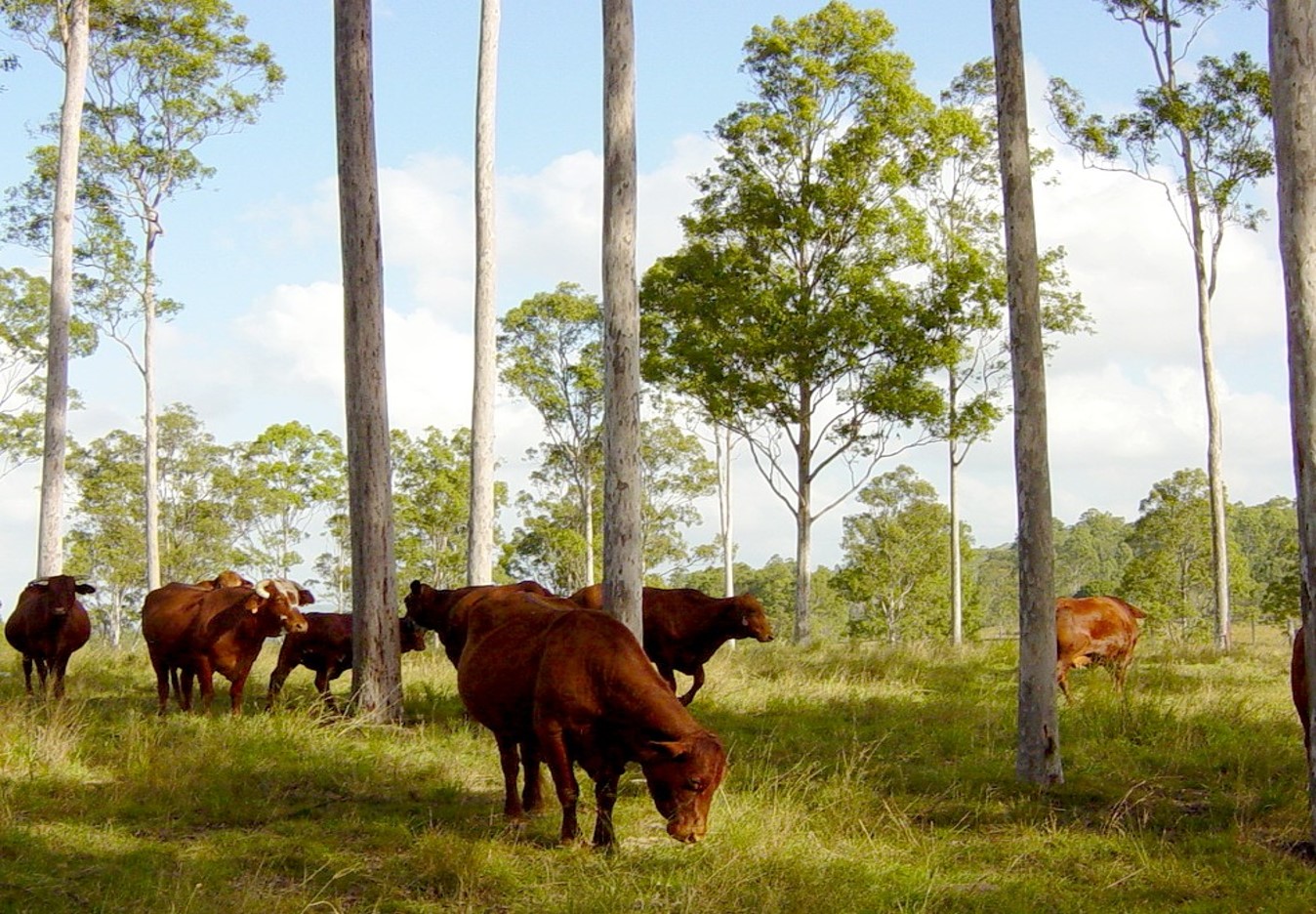
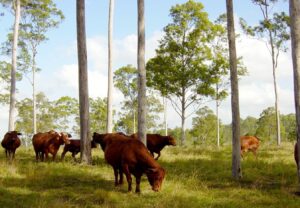
Land availability remains a challenge. Callers expressed concerns about competition between plantation forestry and agricultural production. Professor Crews said integrated land‑use models—such as agroforestry—could support both sectors, provided long‑term investment models meet landholder needs.
Innovation also remains central to future growth. Professor Crews highlighted new processing techniques and engineered wood products that increase fibre recovery from logs and improve the commercial viability of plantation resources.
Despite ongoing challenges, Professor Crews said he is encouraged by emerging policy momentum.
“Strategic planning, such as Queensland’s new Future Timber Plan, signals that governments are recognising timber’s essential role in delivering the nation’s future housing and sustainability targets.”
ENDS
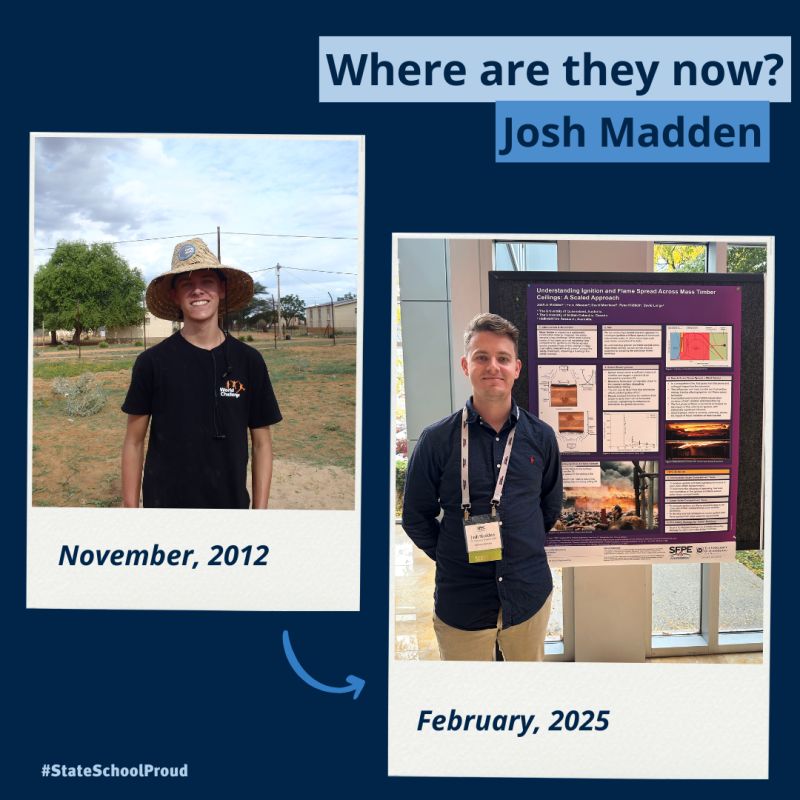
Great to see ARC Advance Timber Hub PhD Candidate, Josh Madden, celebrated in an inspiring story by the Queensland Department of Education on Josh’s career path. See: https://lnkd.in/g2dygXdg
As Josh advised “I owe a lot to the teachers who helped steer me towards engineering and showed me what was possible early on. A great reminder of how much impact schools and educators can have!”
Josh is a UQ School of Civil Engineering PhD candidate, with his research focused on the ARC Advance Timber Hub Project – Fire Safety Design of Open Plan Timber Compartments. Very proud his journey has led him to be part of the ARC Advance Timber Hub team.