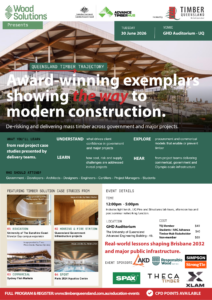
More than 100 industry professionals gathered at The University of Queensland (UQ) for the WoodSolutions presents Queensland Timber Trajectory: Award Winning Exemplars – Showcasing the Way to Modern Construction forum, hosted by WoodSolutions, Timber Queensland and the ARC Advance Timber Hub on the 30th June 2026.
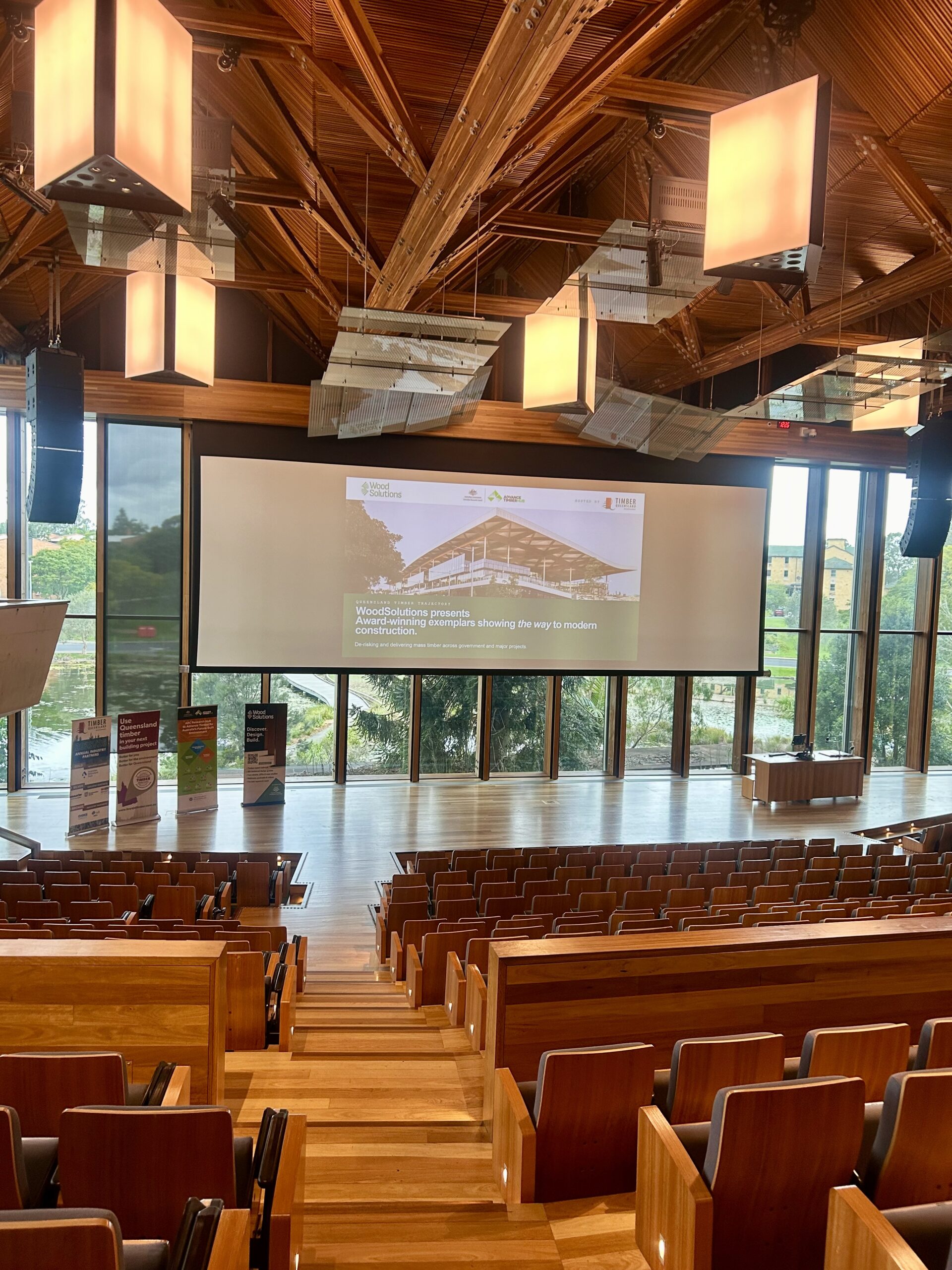
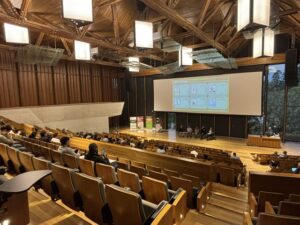
Held within UQ’s Advanced Engineering Building Timber Auditorium (with its natural and biophilic qualities contributing to a warm, inspiring environment) the event brought together leaders from across design, engineering, construction and the timber industry to share practical insights from award-winning projects, demonstrating how timber is being used.
The presentations and panel discussion reinforced that timber is no longer an emerging material, but a proven solution. Through real-world case studies, presenters demonstrated timber’s ability to:
- Improve productivity and accelerate project delivery
- Enable prefabrication and advanced manufacturing methods
- Deliver sustainable, high-performing buildings
- Support more efficient and predictable construction outcomes
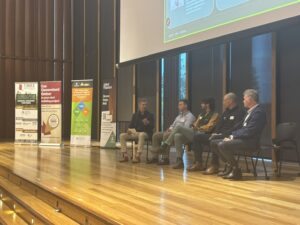 The forum created a highly collaborative environment, combining technical presentations, project insights and networking opportunities that enabled participants to exchange ideas and strengthen industry connections.
As highlighted by Timber Queensland, the event captured “great talks, great tours, amazing networking and an incredible venue.”
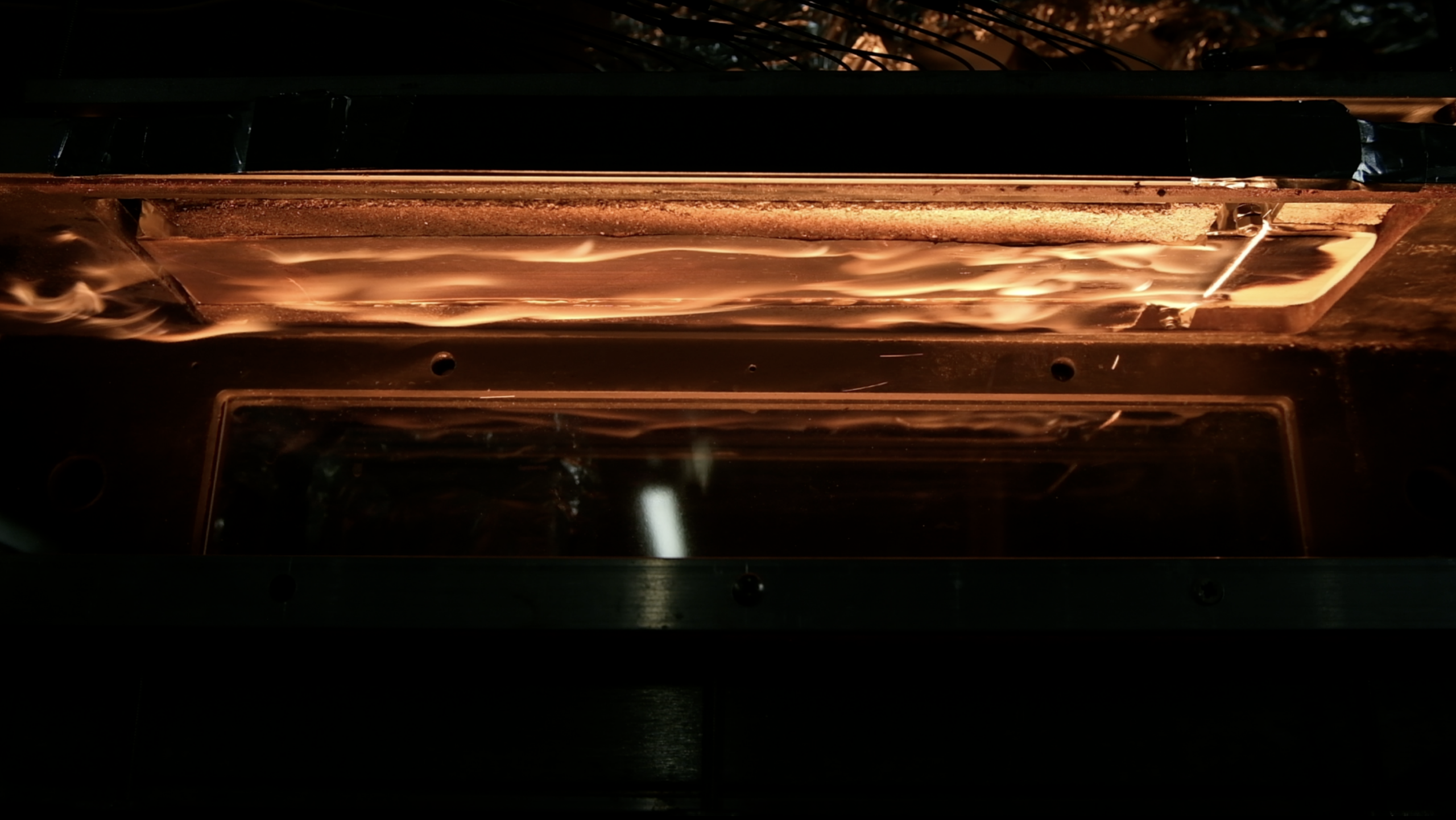
Earlier in the day, attendees were given the opportunity to engage directly with world-leading research facilities through guided tours of UQ’s Fire Laboratory and Structures Laboratory.
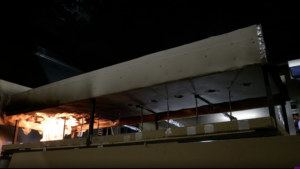
The Fire Laboratory Tour provided insight into research on the fire performance of timber systems, demonstrating how advanced experimental testing and modelling are strengthening confidence in performance-based design approaches for timber buildings. For further information see Hub Project “Fire Safety Design of Open Plan Timber Compartments”.
The Structures Laboratory Tour showcased the structural testing and validation of engineered timber systems, illustrating how research is informing design standards and enabling the safe and reliable application of timber. For further information see Hub Project “Connection Systems for Extended Building Life”.
Together, these tours highlighted the ARC Advance Timber Hub’s role in bridging research and industry application – delivering the evidence base required to support informed decision-making.
 With global attention turning to Brisbane in the lead-up to 2032, the opportunity to integrate innovative timber solutions into major infrastructure and development projects is significant. Timber offers a pathway to reduce embodied carbon, enhance construction efficiency, and deliver sustainable, high-performing buildings at scale. As highlighted throughout the forum discussions, the industry is now moving beyond awareness to enabling confident, evidence-based decision-making.
The ARC Advance Timber Hub’s research program plays a critical role – working with industry, government and research partners to remove barriers, build capability and accelerate the adoption of timber in Australia’s built environment.
THANK YOU TO THE PRESENTERS
Welcome and opening
- Professor Keith Crews, Director, ARC Advance Timber Hub
- Mick Stephens, CEO, Timber Queensland
Sydney Fish Markets COMMERCIAL
- Asher Galvin, Project Director, BVN
- Gianluigi Traetta, Technical Sales Engineer, Rubner
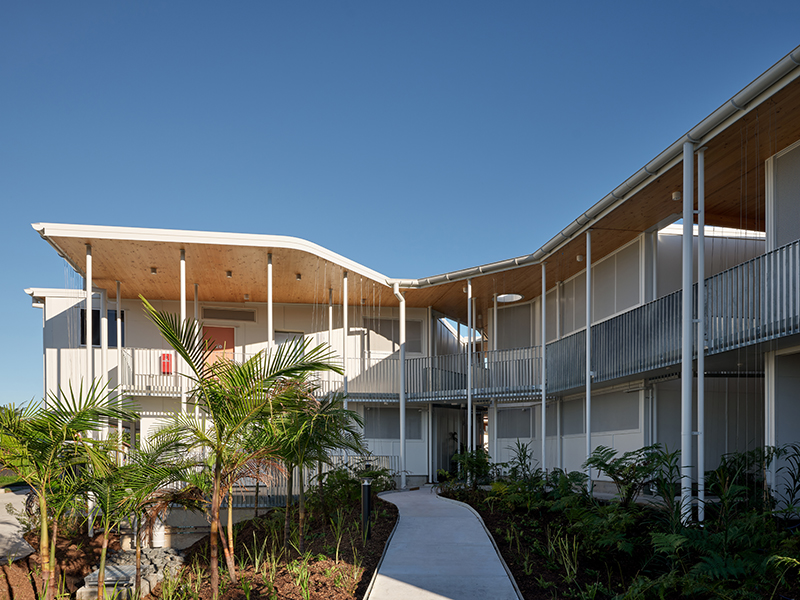
Maryborough Fire Station / Inala Infill Apartments GOVERNMENT INFRASTRUCTURE & SOCIAL HOUSING
- Kim Baber, Baber Studio
- Oliver Macklin, HUTCHIES
- Usman Mian, Kane Constructions
University of Sunshine Coast Moreton Bay Campus Expansion EDUCATION
- Tyson Infanti, Hess Timber
- Callum Lillywhite, Aurecon (via recording)
Paris 2024 Aquatics Centre SPORTS
- Laure Mériaud, Architect Partner Director, Ateliers 2/3/4/
- Cécilia Gross, Architect Partner Director, VenhoevenCS
Proving Performance: Project Certification
- Simon Dorries, CEO, Responsible Wood
PANEL DISCUSSION – What actually makes timber viable at scale?
- Mark Ayers, Arup (Facilitator)
- Adrian Taylor, BVN
- Adam Shears, Theca Timber
- Tim McDonald, Xlam
- Oliver Macklin, HUTCHIES