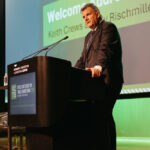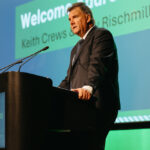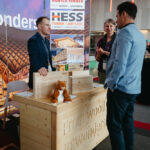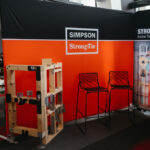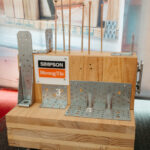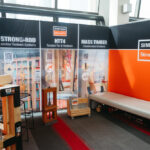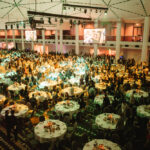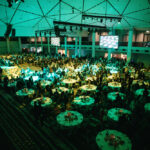
WCTE 2025 Wraps up in Brisbane: A Global Celebration of Sustainable Timber Innovation

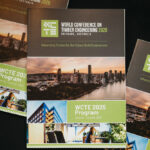
WCTE 2025 Program

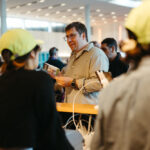
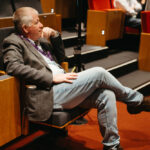
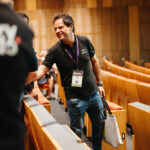
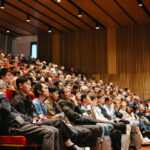
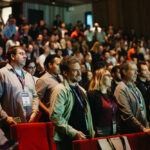
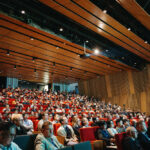
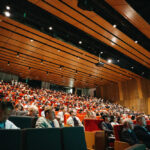
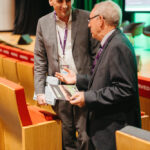
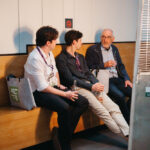
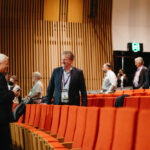
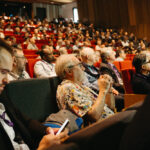
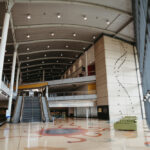
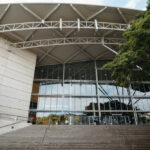
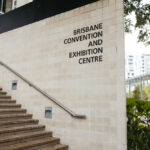
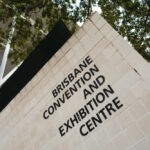
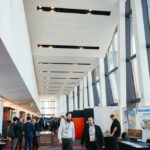
The University of Queensland and the ARC Advance Timber Hub were proud to host and organise the World Conference on Timber Engineering (WCTE 2025) which was held in Brisbane, Australia from the 22nd to 26th June 2025 at the Brisbane Convention & Exhibition Centre.

WCTE 2025 is the major event within the timber engineering society held in a biennial rhythm with consecutive conferences in Europe, America, Asia & Pacific. This was the first time it was held in Australia — and Brisbane embraced the honour with open arms. Attendees enjoyed sunny winter days, vibrant dining experiences, and exciting day trips that showcased the best the region has to offer.

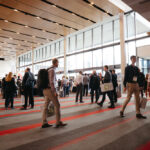
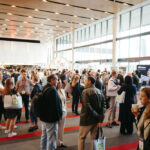
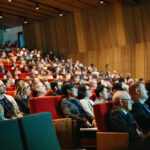
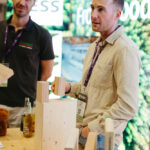
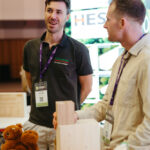
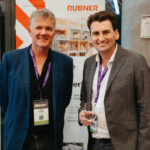
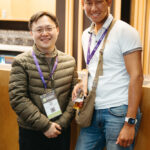
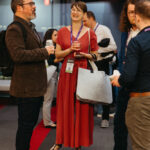
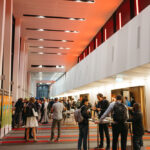
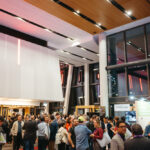
WCTE 2025 attracted more than 950 delegates (inclusive of 280 students) from 44 countries, with more that 730 presentations, including 700 papers accepted for Proceedings. Notably, Australia led the attendance with 250 participants, followed by Japan (127), Canada (68), the U.S.A. (60), New Zealand (52), and Germany (44).

Participants had the opportunity to share ideas on nearly any subject related to timber engineering and architecture, from codes of practice, regulations, and legislations, to innovations, new practices, and future trends of bio-based sustainable and circular building materials used in construction. WCTE 2025 reflects the start-of-the-art in timber engineering.

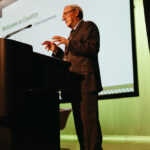
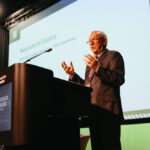
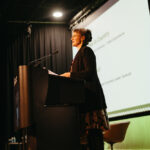
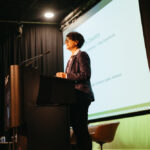
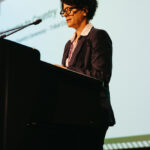
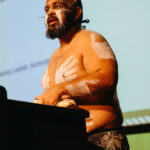
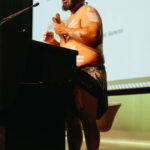
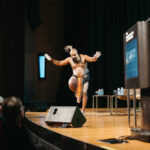
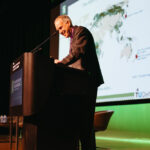
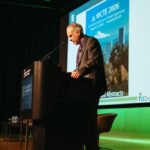
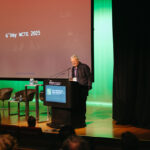
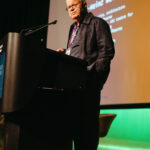
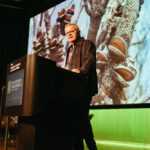
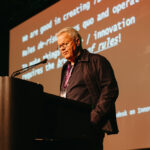
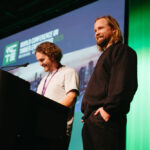
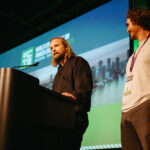
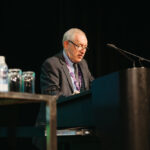
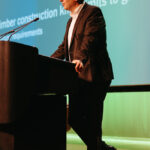
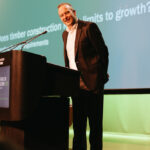
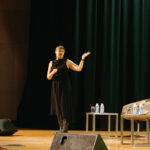
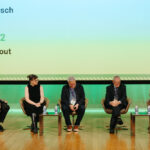
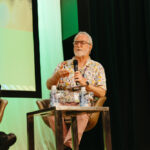
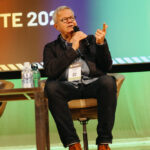
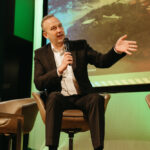
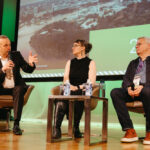
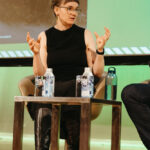
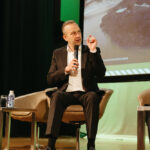
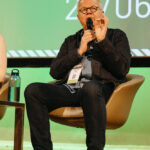
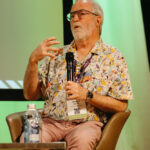
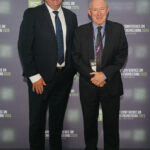
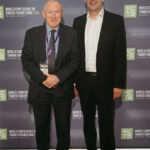
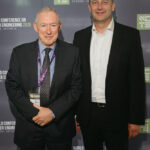
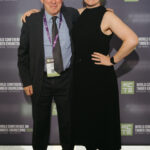
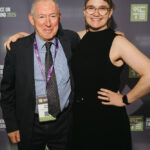
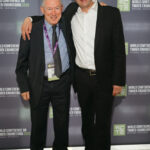
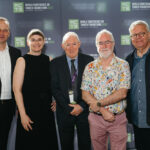
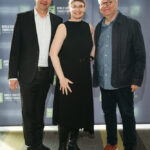
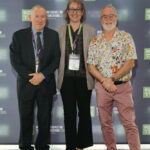
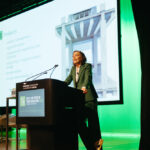
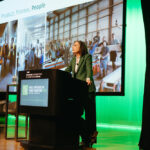
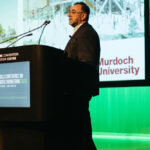
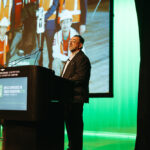
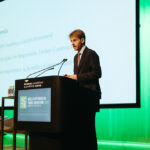
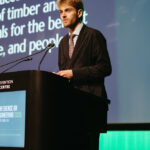
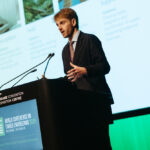
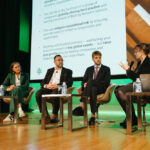
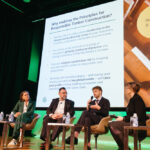
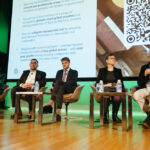
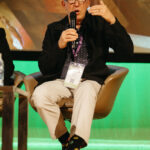
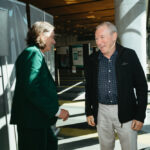
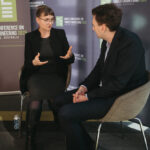
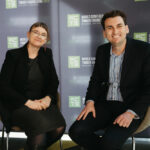
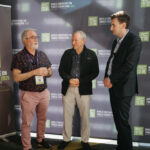
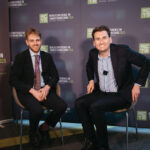
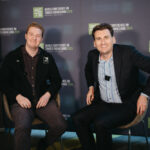
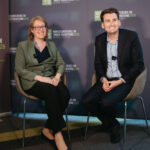
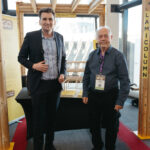
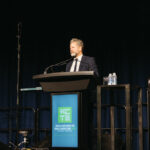
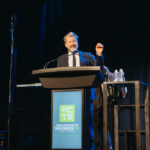
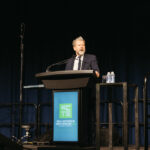
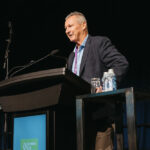
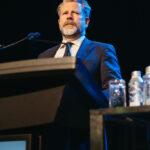
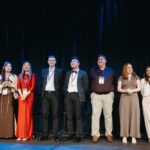
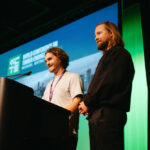
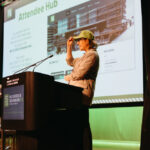
In order of appearance: WCTE 2025 Chair – Professor Keith Crews (The University of Queensland / ARC Advance Timber Hub), WCTE 2025 Executive Secretary – Kelly Rischmiller (The University of Queensland / ARC Advance Timber Hub), WCTE 2025 Keynote Speakers – Katharina Lehmann (Blumer-Lehmann Holding AG), Guy Gardner (Gardner Vaughan Group), Ralph Belperio (Aurecon), WCTE 2025 Deputy Chair – Professor Greg Nolan (University of Tasmania), WCTE 2025 Keynote Speakers – Professor Philipp Dietsch (Karlsruhe Institute of Technology), Professor Jan-Willem van de Kuilen (TU Munich / TU Delft), Jodie Bricout (Aurecon) & Harry Mills (Built by Nature)
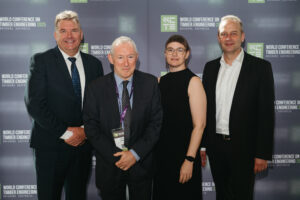
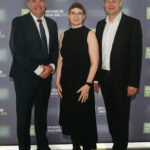
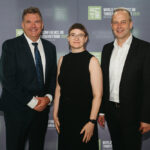
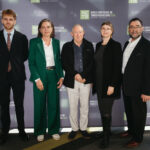
Chair, QLD Primary Industries and Resources Committee: Stephen Bennet MP, WCTE 2025 Chair: Professor Keith Crews, WCTE 2025 MC/Keynote Speaker: Jodie Bricout and WCTE 2025 Keynote Speaker: Philipp Deitsch

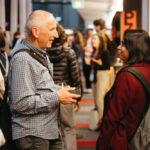
As Professor Keith Crews, WCTE 2025 Chair, and ARC Advance Timber Hub Director, said is his closing remarks, “I hope that you will leave this conference having met new colleagues and made new friendships that will support you in your future “timber” career. As I have said this on many occasions: “effective networking” based on building trust and helping one another is essential for producing excellence in timber buildings – and having fun doing it!!

Whether it is undertaking research and development or designing and constructing innovative projects – maintaining effective collaborations and friendships nationally and internationally is (I believe) the singularly most important factor for this to occur.”

To see the full breadth of what WCTE 2025 had to offer, please view the WCTE 2025 Program.

WCTE 2025 Proceedings

WCTE 2025 Proceedings

The principal theme of the conference “Advancing Timber for the Future Built Environment” deliberately linked to the ARC Advance Timber Hub’s overarching deliverable, which is to develop the resources, enablers, and drivers to advance sustainable timber, as a natural resource, to be the material of choice, leading towards a net zero future for Australia’s built environment.

This inspired a comprehensive WCTE 2025 technical program, which includes papers and posters presented, and is now published on Proceedings.com, covering the following extended themes:

  • Material Performance & Durability
  • Sustainability and Timber in a Circular Economy
  • Timber Engineering & Structural Performance
  • Timber Architecture & Biophilic Design
  • Education, Innovation & Challenges
  • Exemplars & Construction Case Studies

WoodSolutions Australian Timber Design Competition

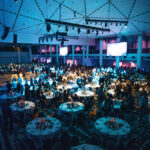
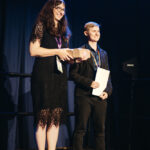
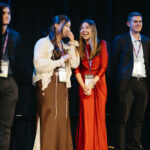
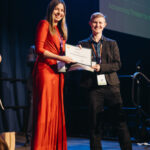
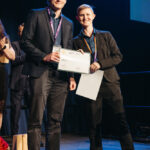
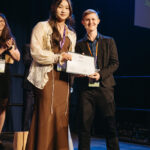
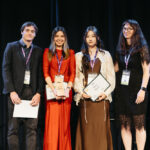
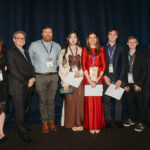
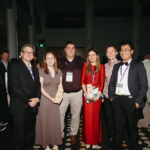
A special moment during the week was the recognition of future leaders in timber design. WoodSolutions sponsored WCTE 2025 as the Gala Dinner Sponsor and winners of the WoodSolutions supported Australian Timber Design Competition – a competition that saw students from across Australia design adaptive timber housing for the 2032 Olympic and Paralympic Athletes Village were announced at the dinner and acknowledged on stage. Congratulations to the winners — Charlie Bradley-Tasser, Tamara Birtasevic, and Ruiyan Li — for their outstanding work
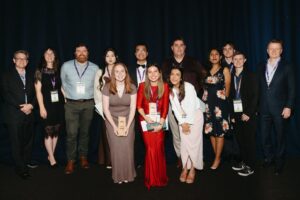
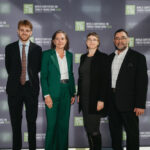
Charlie Bradley-Tasser, Tamara Birtasevic, Ruiyan Li and Dr Lisa Ottenhaus with Kevin Peachy – Head of WoodSolutions and Andrew Leighton – CEO of FWPA and team members. (Photo Credit: Supplied by Wood Central / Image Consult, the host photographer and videographer for WCTE)

Photos / Videos

We’re also pleased to share a selection of photos from the event and a highlight videos capturing some of the most memorable moments. Please also note the full gallery of event images can be seen at the bottom of the page:

📸 View Photos:

  1. WCTE 2025 Event Images
  2. WCTE 2025 Images Video
  3. For more images please see event gallery below.

🎥 Watch Videos:

  1. WCTE 2025 Gala Dinner Highlight Video   
  2. WCTE 2025 Closing Ceremony Video
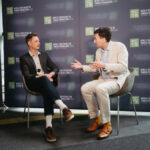
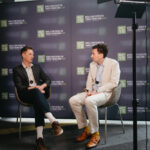
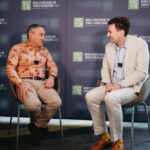
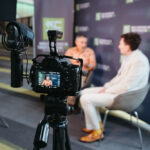
  3. WCTE 2025 Interview Highlight Video

Looking Ahead

As WCTE 2025 concludes, the focus now shifts to WCTE 2027 in Edmonton, Canada, and WCTE 2029 in Coimbra, Portugal. Brisbane has set a high bar—delivering not only a robust technical program but also a memorable cultural and social experience. The conference sparked new ideas, inspired fresh partnerships, and further strengthened the global momentum behind timber as a cornerstone of sustainable construction. The conversations and collaborations will no doubt continue to shape the future of timber engineering, as the industry moves toward a more sustainable and resilient built environment.

In the Media: WCTE articles worth a read

Here are some of the top articles and insights relating back to WCTE 2025, you can also see more posts by following the World Conference on Timber Engineering 2025 via LinkedIn:

Event Gallery:

see also: WCTE 2025 Images Video
 

Reimagining Timber: Adaptive Structures From Out-of-Grade Wood

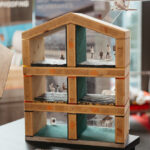
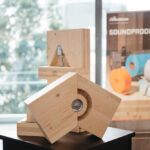
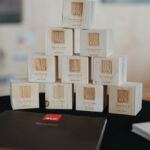
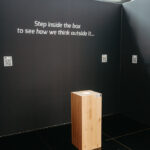
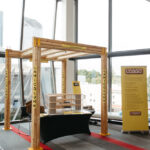
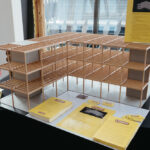
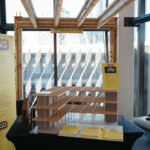
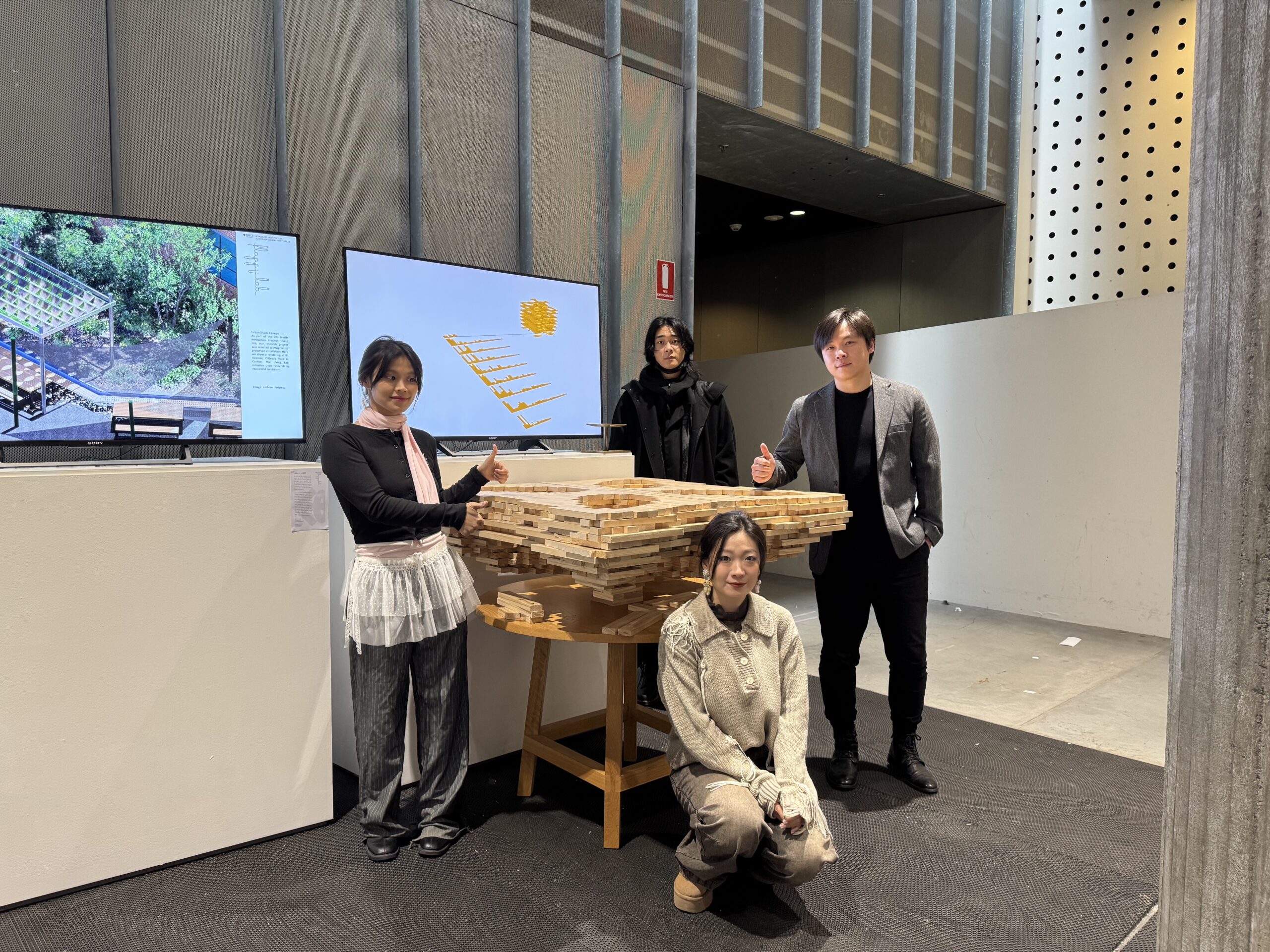
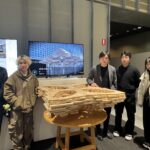
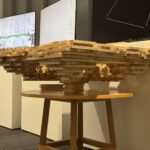
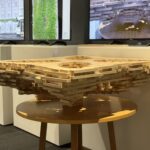
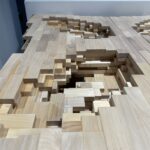
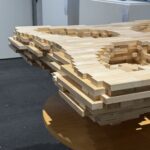
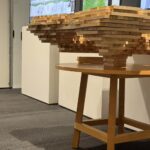
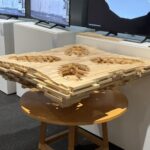
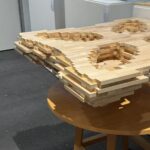
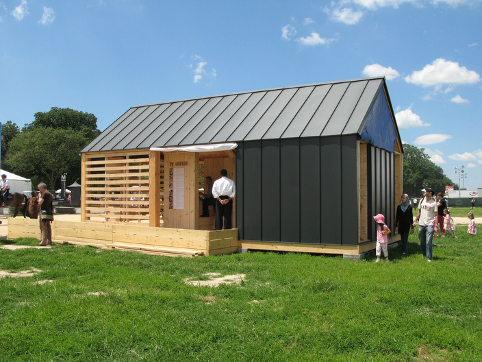
The project REIMAGINING TIMBER was launched during Melbourne Design Week from the 15th to the 25th of May, at the Level 1 Foyer, RMIT Design Hub. The exhibition featured a small-scale prototype that served as a testbed for a broader agenda under the ARC Advance Timber Hub, Manufacturing Innovation research node exploring the future of timber architecture and structures.
Project Leaders: Dr. Ding Wen ’Nic‘ Bao (RMIT), Dan Luo & Joe Gattas (UQ)
Designers: Nic Bao, Dan Luo & Joe Gattas
Structural Engineering: Nic Bao & Xin Yan
UQ Fabrication Lead: Lingju Wu
UQ Fabrication Team: Asteria Chen, Abbie Lin, Tyler Wang, Zhuoyang Xin
RMIT Fabrication Lead: Jinbang Liang & Parcey Liu
RMIT Fabrication Team: Kun Dai, Rita Lin, Zixin Wang, Amanda Chen, Harlan Guo
Post Production Team: Kang Liu & Kun Dai
Technical support: Ameba Institute of Engineering Structure Optimization & Karamba3D
Academic support: RMIT University RMIT Architecture RMIT College of Design and Social Context & The University of Queensland

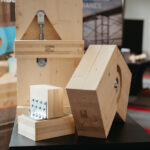
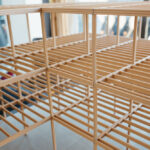
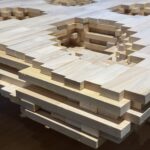
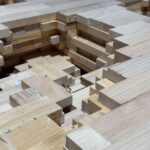
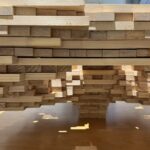
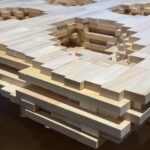
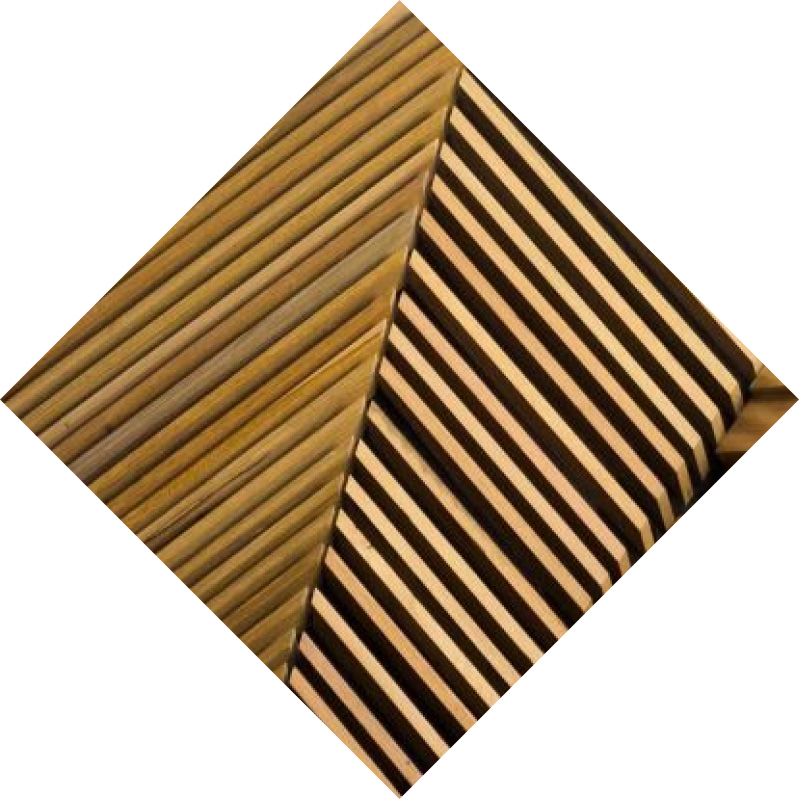
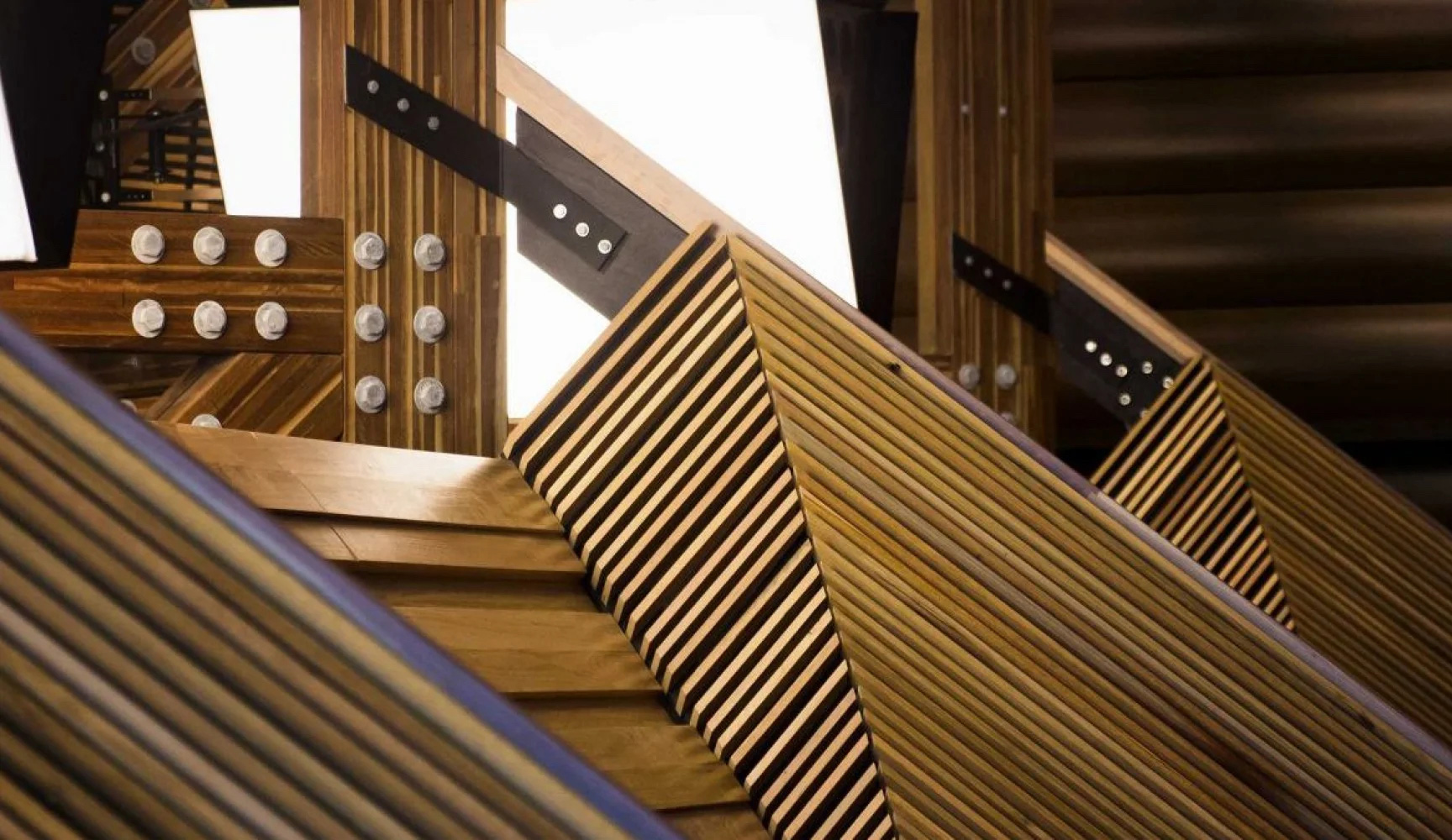
This project reimagines out-of-grade timber as a high-performance, customisable structural material through an intelligent design and construction methodology that integrates architecture, computational design, structural engineering, behavioural algorithms, and advanced manufacturing. The project establishes a real-time material processing system that forms a closed-loop feedback mechanism for structural adjustment and adaptive reuse. This approach fundamentally rethinks conventional sequential workflows in architecture and construction.

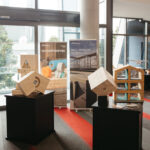
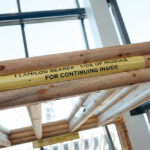
The exhibition showcased a series of scaled prototypes that explore this methodology, demonstrating its potential for long-span, large-scale timber structures. These prototypes highlight efficient fabrication workflows that leverage discrete assembly techniques, enabling precise construction while fostering closer collaboration between architects and structural engineers. By challenging traditional classification systems and fabrication constraints, the project envisions a future where timber construction is not only materially efficient, but also structurally expressive and technologically integrated.

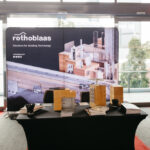
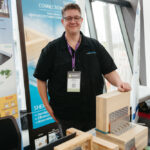
The Reimagining Timber project was also proudly featured at the World Conference on Timber Engineering (WCTE) 2025, held in Brisbane from June 22nd to June 26th. This global event brought together leading experts, researchers, and industry professionals to explore innovative approaches to timber design and construction. Showcasing this project on such a large international platform highlighted its contribution to pushing the boundaries of sustainable architecture and advancing the role of timber in the built environment.

Above image: Nic Bao, Lingju Wu, Tyler Wang, and Abbie Lin.

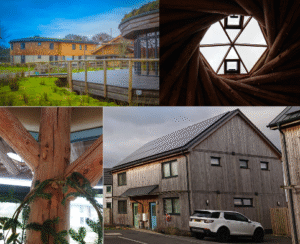
Seeing the wood and the trees: the role of timber in future Wales

The ARC Advance Timber Hub is pleased to share a recent Blog from Calvin Jones in relation to ARC Advance Timber Hub Research Node: Socio-Economic Opportunity

Calvin is a Professor at Cardiff Business School, Managing Director at Jones the Numbers and a partner investigator of the ARC Advance Timber Hub.

Click link to view blog:

Seeing the wood and the trees: the role of timber in future Wales – Calvin Jones

Wood at Down to Earth (c) DTE, C. Jones

HDR Opportunity – ARC Advance Timber Hub

The ARC Advance Timber Hub are pleased to advise we have a HDR Opportunity available at the University of Tasmania.

Hub Node: Building Performance for Occupants
Hub Project: The bio-hygrothermal performance of mid-rise non-residential timber framed façade systems
Program: PhD
Location: University of Tasmania
Research area: This project aims to explore hygrothermal interactions for advanced wood-product-based mid-rise façade systems. This project will generate new knowledge regarding wood-product based façade system design that adequately manages inward and outward flows of energy and moisture. Knowledge will be generated via computer-based bio-hygrothermal simulation and observations from prototype constructions. Expected outcomes will include new methods to use plantation grown wood products within the façade system of mid-rise buildings in Australia. This will enhance Australia’s architectural, engineering, and construction capabilities to design low embodied energy mid-rise buildings and will significantly benefit the greater use of low-carbon intensive plantation wood products.

Apply prior to 1 August 2025

Link to opportunity:

Hygric principles for mid-rise timber-framed façade systems

Griffith University Hosts Workshop on Timber Innovation for Vibrational and Acoustic Performance

15 April 2025 – Brisbane, Australia — The ARC Advance Timber Hub convened a highly engaging and collaborative workshop at Griffith University to showcase progress on the Node 1.1 project: Innovative Long-Span Timber and Wood-Based Hybrid Floors for Vibration Performance and Acoustic Compliance.

Led by Associate Professor Hassan Karampour and Professor Hong Guan of Griffith University, the event brought together researchers, industry partners and practitioners to exchange ideas, evaluate research findings, and explore future pathways in sustainable timber construction.

The workshop provided a deep dive into the cutting-edge research being conducted on the vibrational and acoustic performance of long-span timber floors.

Presentations and Research Highlights

The event commenced with a comprehensive project overview by A/Prof. Hassan Karampour, setting the stage for a series of focused presentations:

  • Adam Faircloth, a PhD candidate, shared results from an initial scoping study outlining the project’s key objectives.
  • Updates on Multinail laboratory and desktop studies were presented by A/Prof. Hassan Karampour, revealing advances in simulation and testing techniques.
  • Adam Faircloth also delivered insights from XLam factory and laboratory tests, providing real-world data on structural performance.
  • The session concluded with an overview of completed building tests and preparatory information for the workshop’s hands-on laboratory activities.

Collaborative Table Discussions

Participants engaged in roundtable discussions addressing vital research questions. Topics included:

  • Design and modeling challenges in long-span timber floor systems
  • Evaluating floor performance for serviceability
  • Integrating industry feedback into academic research

These discussions fostered an open exchange of practical insights and academic perspectives, reinforcing the project’s real-world relevance.

Interactive Laboratory Activities

The highlight of the workshop was a set of two experimental lab sessions designed to capture both empirical data and human feedback:

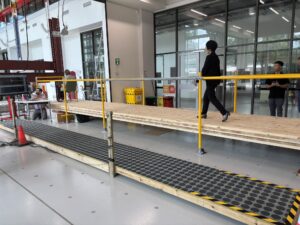
Walking Platform Test
A specially constructed platform enabled participants to generate walking force data in real-time.

  •  Purpose: To record dynamic walking forces and refine force-time models used in vibration simulations.
  • Outcome: The data collected will enhance prediction accuracy for floor serviceability performance evaluations.


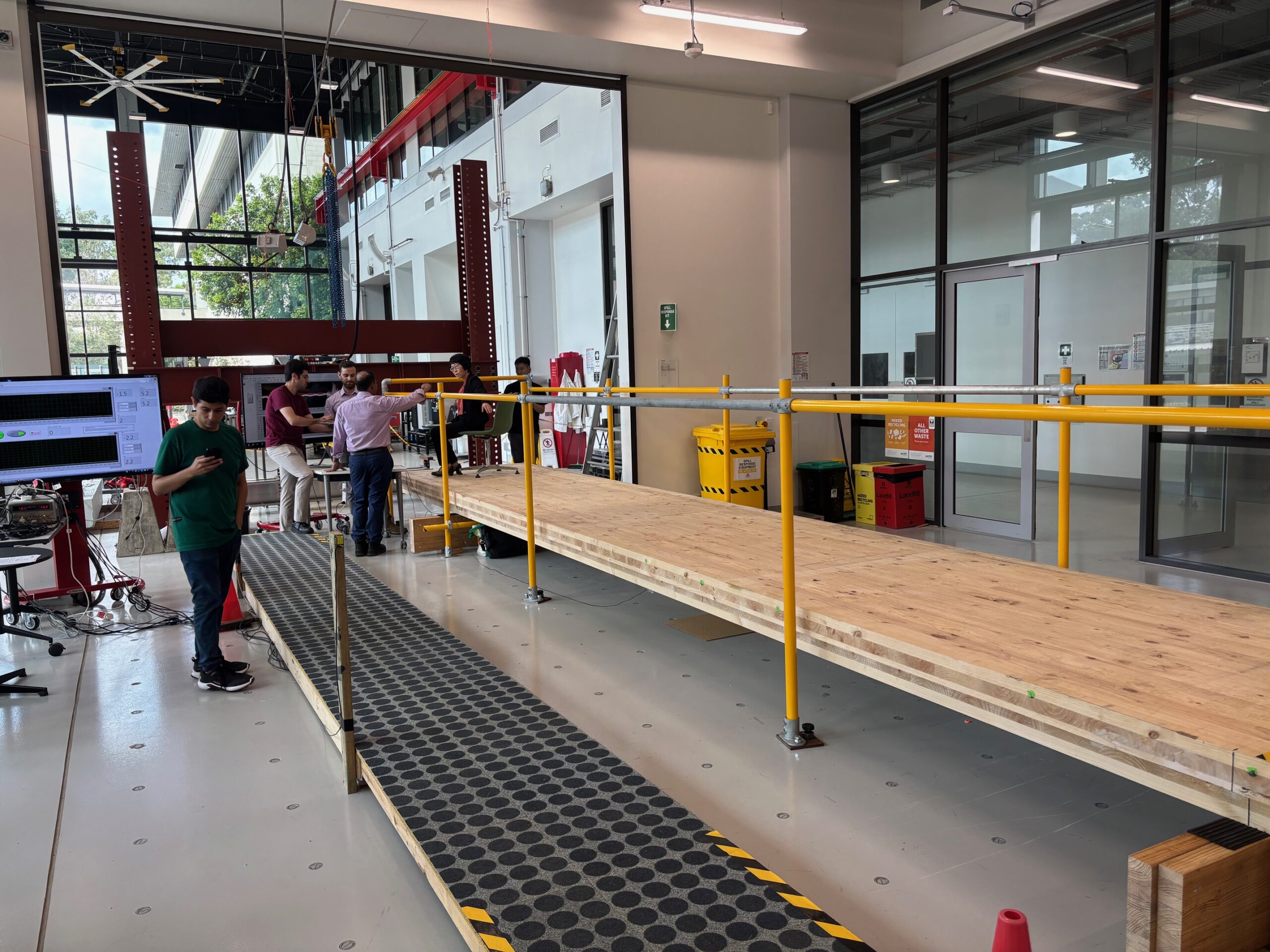
Real Floor Vibration and Perception Test
A full-scale 9m long timber floor made of 5 layer CLT supported on glulam edge beams was instrumented with two accelerometers placed beneath the structure.
Setup: One participant sat on a chair while another walked across the floor.

  • Measurements: Floor accelerations were recorded, and the seated participant was asked to estimate the perceived response factor.
  • Objective: To combine objective accelerometer data with subjective human feedback, bridging technical and user experience evaluations.

Overall, the workshop was a resounding success, offering a dynamic platform for collaboration between academia and industry.  The combination of research presentations, interactive discussions, and hands-on testing underscored the project’s commitment to practical, sustainable solutions in timber construction.

Griffith University provided an excellent venue for this engaging and impactful event, helping to foster meaningful connections that will continue to drive innovation in the field.

HDR Opportunity – ARC Advance Timber Hub

The ARC Advance Timber Hub are pleased to advise we have a HDR Opportunity available at The University of the Sunshine Coast.

Hub Node: Performance of Building Components
Hub Project: Role of moisture in the long-term performance of mass timber building elements
Program: PhD
Location: The University of the Sunshine Coast
Research area: Moisture intrusion in mass timber buildings has important implications for both physical performance and risk of biological degradation (Mould and Decay). Mould is a significant issue, and it affects both mass timber and light weight timber systems. This project will build upon previous research to better understand moisture ingress pathways and the implications of wetting on building elements, as well as help identify methods for excluding or removing moisture once it has entered a structure.

Link to opportunity:

Detrimental role of moisture in the long-term performance of building elements

HDR Opportunity – ARC Advance Timber Hub

The ARC Advance Timber Hub are pleased to advise we have a HDR Opportunity available at The University of Queensland, St Lucia Campus.

Hub Node: Performance of Building Components
Hub Project: Connection Systems for Extended Building Life
Program: PhD
Location: The University of Queensland, St Lucia Campus
Research area: This project aims to create a clear and common understanding in the Australian engineering community around connection design through experimental performance evaluation and development of design guidance.

Please see link to opportunity:

Investigating timber connection performance for extended building life

Your Chance to Rub Shoulders with the World’s Best Timber Engineers

Six Australian engineers will receive a full pass to the World Conference on Timber Engineering (WCTE), hosted in Brisbane June 22-26, 2025, thanks to the Gottstein Trust—Australia’s national education trust for wood products—which has secured the passes for timber engineers. For more information see Wood Central article below, or click here.