Griffith University Hosts Workshop on Timber Innovation for Vibrational and Acoustic Performance

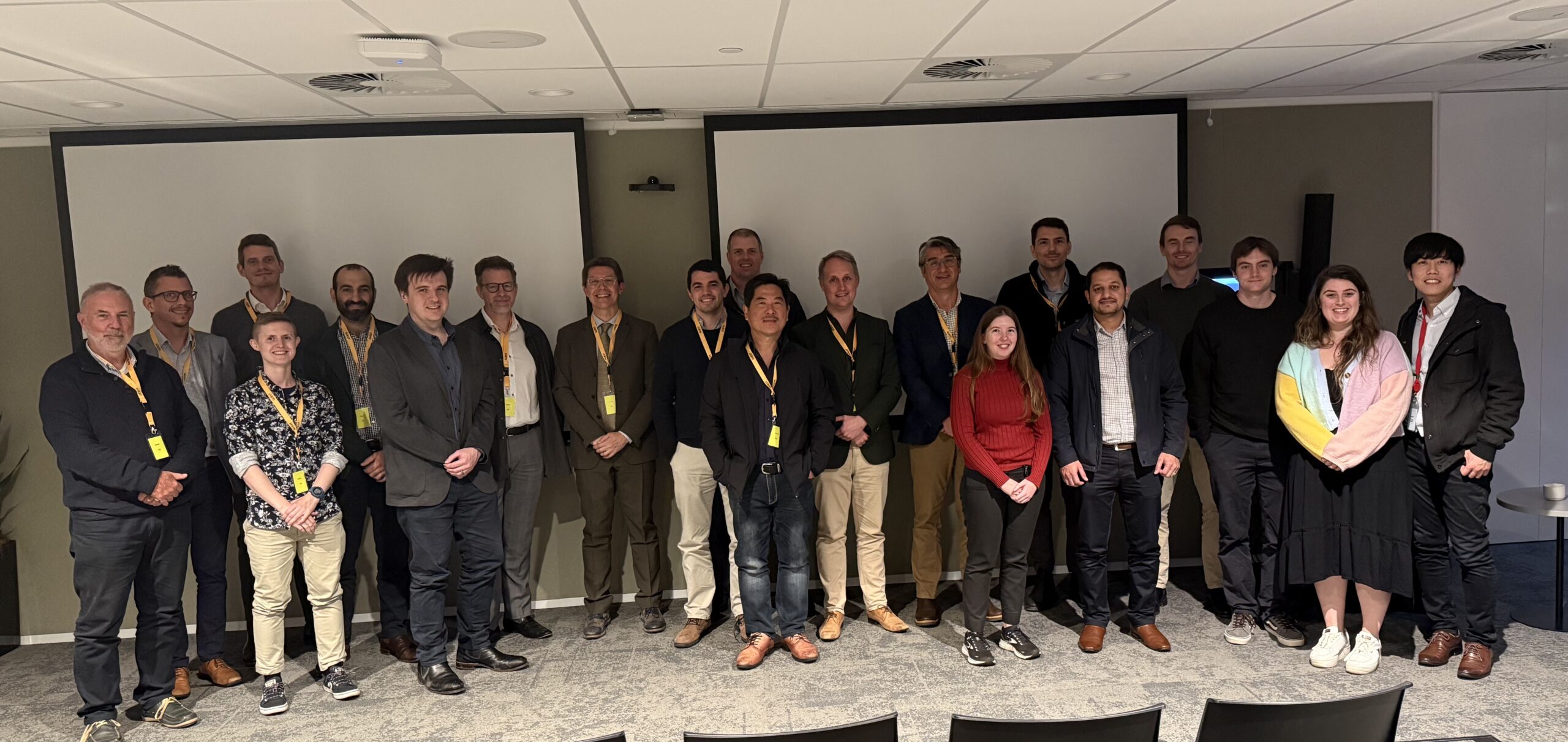
15 April 2025 – Brisbane, Australia — The ARC Advance Timber Hub convened a highly engaging and collaborative workshop at Griffith University to showcase progress on the Node 1.1 project: Innovative Long-Span Timber and Wood-Based Hybrid Floors for Vibration Performance and Acoustic Compliance.

Led by Associate Professor Hassan Karampour and Professor Hong Guan of Griffith University, the event brought together researchers, industry partners and practitioners to exchange ideas, evaluate research findings, and explore future pathways in sustainable timber construction.

The workshop provided a deep dive into the cutting-edge research being conducted on the vibrational and acoustic performance of long-span timber floors.

Presentations and Research Highlights

The event commenced with a comprehensive project overview by A/Prof. Hassan Karampour, setting the stage for a series of focused presentations:

  • Adam Faircloth, a PhD candidate, shared results from an initial scoping study outlining the project’s key objectives.
  • Updates on Multinail laboratory and desktop studies were presented by A/Prof. Hassan Karampour, revealing advances in simulation and testing techniques.
  • Adam Faircloth also delivered insights from XLam factory and laboratory tests, providing real-world data on structural performance.
  • The session concluded with an overview of completed building tests and preparatory information for the workshop’s hands-on laboratory activities.

Collaborative Table Discussions

Participants engaged in roundtable discussions addressing vital research questions. Topics included:

  • Design and modeling challenges in long-span timber floor systems
  • Evaluating floor performance for serviceability
  • Integrating industry feedback into academic research

These discussions fostered an open exchange of practical insights and academic perspectives, reinforcing the project’s real-world relevance.

Interactive Laboratory Activities

The highlight of the workshop was a set of two experimental lab sessions designed to capture both empirical data and human feedback:

Walking Platform Test
A specially constructed platform enabled participants to generate walking force data in real-time.

  •  Purpose: To record dynamic walking forces and refine force-time models used in vibration simulations.
  • Outcome: The data collected will enhance prediction accuracy for floor serviceability performance evaluations.


Real Floor Vibration and Perception Test
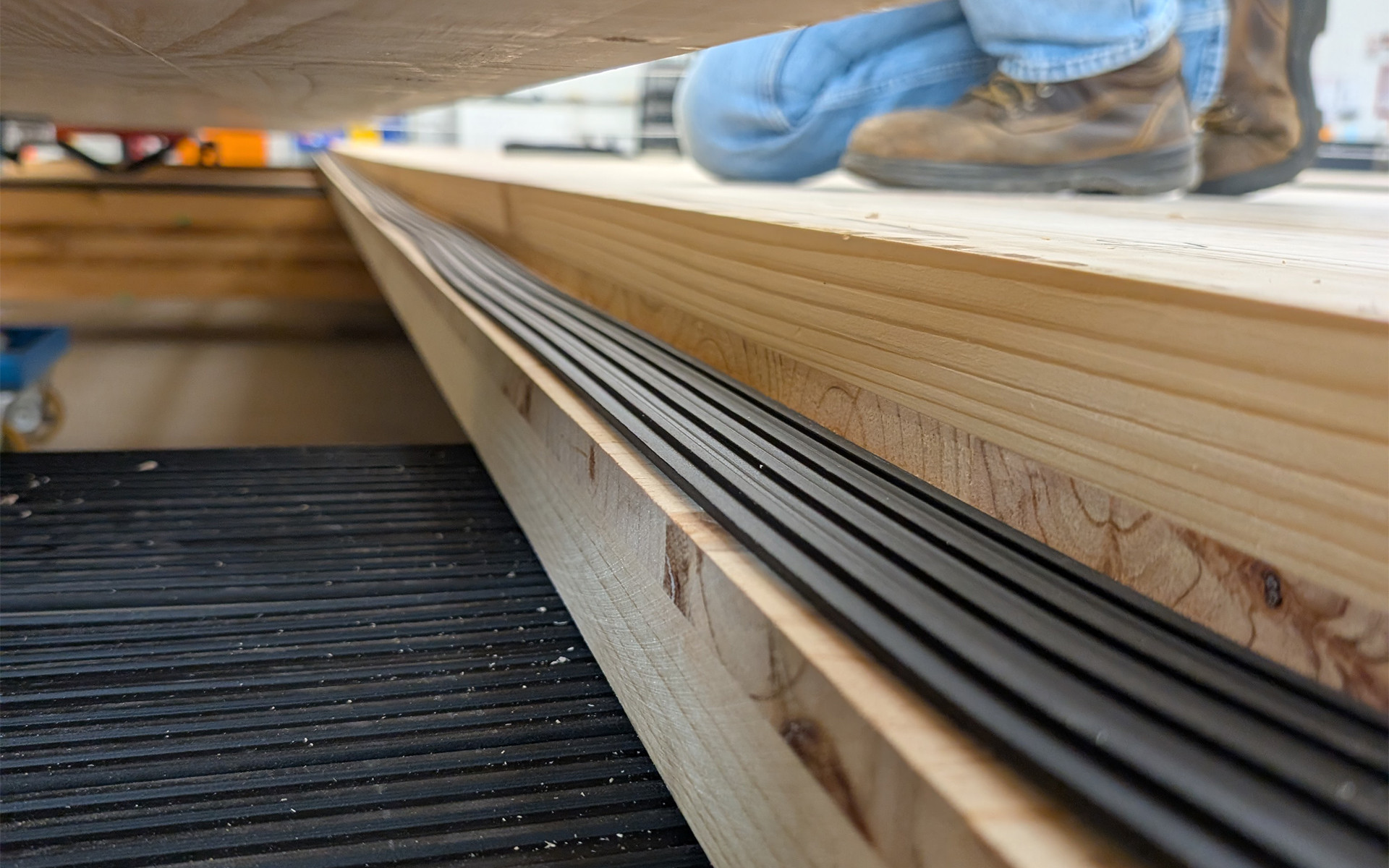
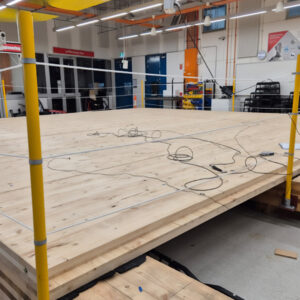
A full-scale 9m long timber floor made of 5 layer CLT supported on glulam edge beams was instrumented with two accelerometers placed beneath the structure.
Setup: One participant sat on a chair while another walked across the floor.

  • Measurements: Floor accelerations were recorded, and the seated participant was asked to estimate the perceived response factor.
  • Objective: To combine objective accelerometer data with subjective human feedback, bridging technical and user experience evaluations.

Overall, the workshop was a resounding success, offering a dynamic platform for collaboration between academia and industry.  The combination of research presentations, interactive discussions, and hands-on testing underscored the project’s commitment to practical, sustainable solutions in timber construction.

Griffith University provided an excellent venue for this engaging and impactful event, helping to foster meaningful connections that will continue to drive innovation in the field.

HDR Opportunity – ARC Advance Timber Hub

The ARC Advance Timber Hub are pleased to advise we have a HDR Opportunity available at The University of the Sunshine Coast.

Hub Node: Performance of Building Components
Hub Project: Role of moisture in the long-term performance of mass timber building elements
Program: PhD
Location: The University of the Sunshine Coast
Research area: Moisture intrusion in mass timber buildings has important implications for both physical performance and risk of biological degradation (Mould and Decay). Mould is a significant issue, and it affects both mass timber and light weight timber systems. This project will build upon previous research to better understand moisture ingress pathways and the implications of wetting on building elements, as well as help identify methods for excluding or removing moisture once it has entered a structure.

Link to opportunity:

Detrimental role of moisture in the long-term performance of building elements

HDR Opportunity – ARC Advance Timber Hub

The ARC Advance Timber Hub are pleased to advise we have a HDR Opportunity available at The University of Queensland, St Lucia Campus.

Hub Node: Performance of Building Components
Hub Project: Connection Systems for Extended Building Life
Program: PhD
Location: The University of Queensland, St Lucia Campus
Research area: This project aims to create a clear and common understanding in the Australian engineering community around connection design through experimental performance evaluation and development of design guidance.

Please see link to opportunity:

Investigating timber connection performance for extended building life

Your Chance to Rub Shoulders with the World’s Best Timber Engineers

Six Australian engineers will receive a full pass to the World Conference on Timber Engineering (WCTE), hosted in Brisbane June 22-26, 2025, thanks to the Gottstein Trust—Australia’s national education trust for wood products—which has secured the passes for timber engineers. For more information see Wood Central article below, or click here.

Brisbane Olympics Can Lead World with Timber Use — But It Needs Smarter Design

Professor Keith Crews, ARC Advance Timber Hub Director and Chair of the 2025 World Conference on Timber Engineering is featured in this Wood Central article on how Queensland has a once-in-a-generation opportunity to deliver a Games that offers a lasting legacy not just for Brisbane but all parts of Australia with the use of better timber and smarter design.

WoodSolutions Australian Timber Design Competition finalists will receive a bursary to attend the World Conference on Timber Engineering

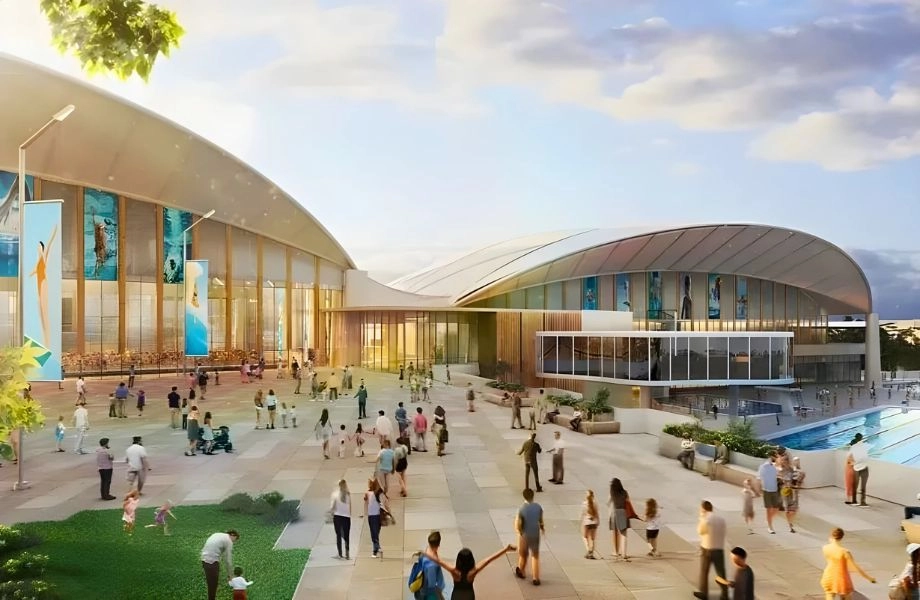
WoodSolutions has launched the Australian Timber Design Competition 2025. This national competition challenges the next generation of architects, engineers, and timber specialists to design a hypothetical, sustainable Athletes Village for the Brisbane 2032 Games. 

Who can enter:

  • Open to 3rd-year and 4th-year university students in:
    • Engineering
    • Wood science
    • Other timber-focused programs
  • Open to Master’s students in:
    • Architecture
    • Related disciplines
  • Open to Higher Degree by Research (HDR) students in a related field
  • Recent graduates may be considered on a case-by-case basis

Finalists
All the applicants will be judged according to the judging rubric. Up to three finalist teams of four applicants will receive a $1,500 cash bursary to cover travel and accommodation as well as sponsorship for attendance at the World Conference on Timber Engineering 2025 in Brisbane (Including welcome, conference, Gala dinner).

Submission Deadline: 12pm noon (AEST), Friday 2 May 2025 

For more information please see: Australian timber design competition 2025 now open for entries

Calling Australian Engineers – unique opportunity to attend the World Conference on Timber Engineering

A unique opportunity has been unveiled with The Gottstein Trust offering six fully paid conference places at the upcoming World Conference on Timber Engineering (WCTE), being held in Brisbane from the 22nd to 26th June 2025.

These conference scholarships are made available for Australian engineers in the early stage of their professional career.

Further details and the application form are found on the website. Applications will close at midnight on March 30th and can be lodged anytime before then, through the online form.

The Gottstein Trust is delighted to support the significant global conference as it comes to Australia, and expects that competition for the six WCTE Gottstein scholarships will be strong.


New & Improved Timber-Cardboard Panels Are a Lifesaver for Disaster Zones

Great to see more media coverage of the research that Mahmoud Abu-Saleem and ARC Advance Timber Hub Chief Investigator, Associate Professor Joe Gattas are leading. The publication the media coverage is referring to is titled “Timber-Cardboard Web-Core Sandwich Panels for Lightweight Housing Applications” (TCWS) and has been published in the Q1-ranked “Structures” journal. This open-access article can be accessed at: https://www.sciencedirect.com/science/article/pii/S2352012425001298?via%3Dihub