ARC Advance Timber Hub Investigator Contributes to Innovative Publication on the Holistic Design of Taller Timber Buildings

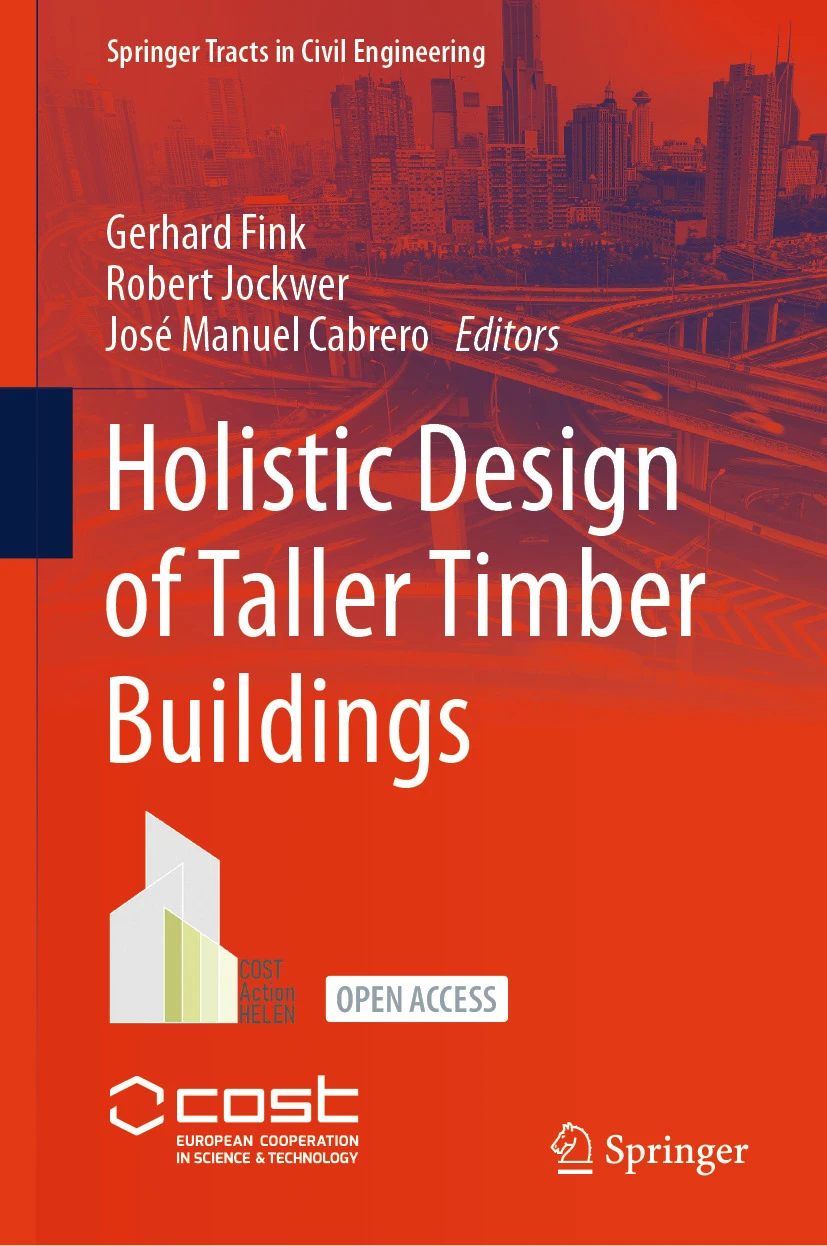
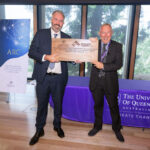
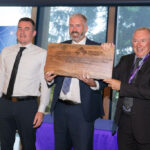
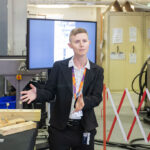
The ARC Advance Timber Hub is proud to celebrate the contribution of Chief Investigator Dr Liam Ottenhaus from The University of Queensland to the recently published book Holistic Design of Taller Timber Buildings (Springer, 2025). This milestone publication brings together invited leading international researchers and practitioners to explore new approaches to designing timber buildings that are innovative, sustainable, and future-ready. The insights shared in this book stem from the collaborative efforts of the COST Action HELEN (CA20139), a network dedicated to advancing knowledge on the Holistic design of taller timber buildings (HELEN).

Liam’s expertise in design for disassembly, reuse, and circular construction is showcased in three chapters:

  • Disassembly and Reuse in Tall Timber Buildings: Advancing Circular Construction Practices
  • Evaluating the Disassembly Potential of Timber Buildings: Development of Calculation Tool and Proof of Concept
  • Circulation of Structural Timber: A Review of Opportunities and Challenges

These works highlight the growing importance of designing for adaptability and reuse, providing tools and frameworks that support the circular economy and reduce the environmental footprint of construction.

Reflecting on the journey, Liam has expressed gratitude to the international network of collaborators who made this work possible, including colleagues across Europe, Australia, and beyond, stating that the project was the result of “many late-night meetings, interesting discussions and ongoing collaborations.”

This achievement aligns strongly with the Advance Timber Hub’s mission to support world-leading research that accelerates timber adoption in the built environment, driving innovative solutions that meet the challenges of climate change and resource efficiency.

The book is freely available online via Springer: Holistic Design of Taller Timber Buildings

Help Shape the Future of Hybrid Steel–Timber Systems

We invite you to take part in a short survey exploring current practices, challenges, and opportunities in hybrid steel–timber construction—particularly steel-framed buildings with timber floors.

The survey takes less than 10 minutes to complete and can be accessed here: Survey Link

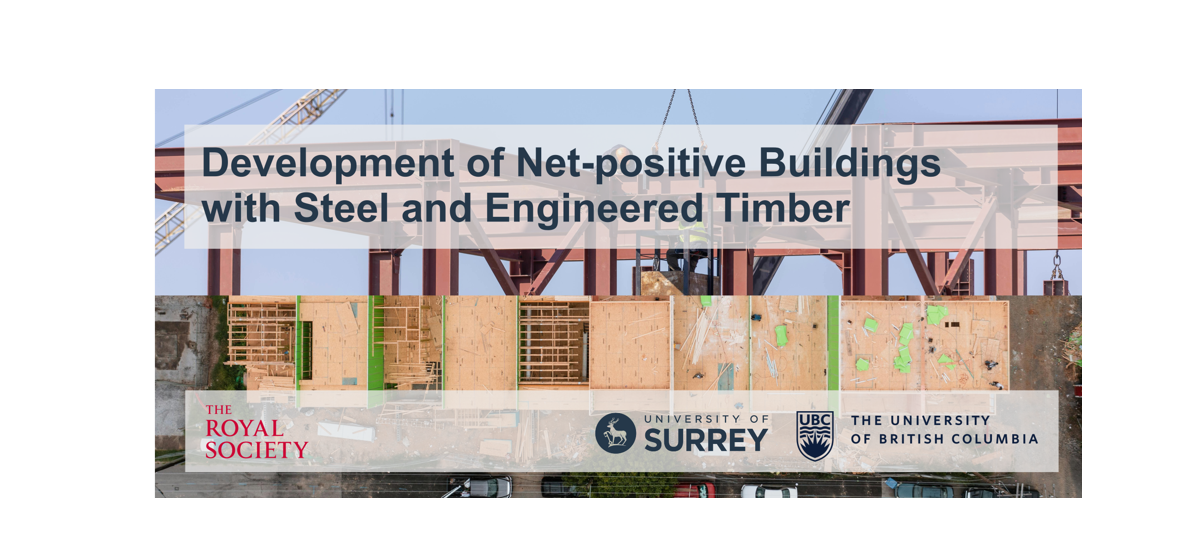
This survey is part of a Royal Society-funded collaboration (IES\R1\251042) between the University of Surrey (UK) and the University of British Columbia (Canada). The project aims to capture region-specific insights into design, detailing, and construction, while also developing a shared database of steel–timber floor tests and numerical models. This database will support the creation of future design guidelines for these innovative systems.

The University of British Columbia is a partner of the ARC Advance Timber Hub, contributing to research projects such as:

All responses are anonymous. However, participants may choose to leave their email address to receive project updates and a complimentary copy of the recent 300-page state-of-the-art review on steel–timber–(concrete) structures.

If you could also please share this invitation with colleagues who may be interested. Thank you for your time and support in advancing sustainable construction practices.

Arup to Lead Brisbane 2032 Victoria Park Masterplan – Continues Commitment to Sustainable Innovation

The ARC Advance Timber Hub congratulates its partner Arup, recently appointed by the Queensland Government to lead the integrated masterplan for the Victoria Park Precinct, a flagship project for the Brisbane 2032 Olympic and Paralympic Games.

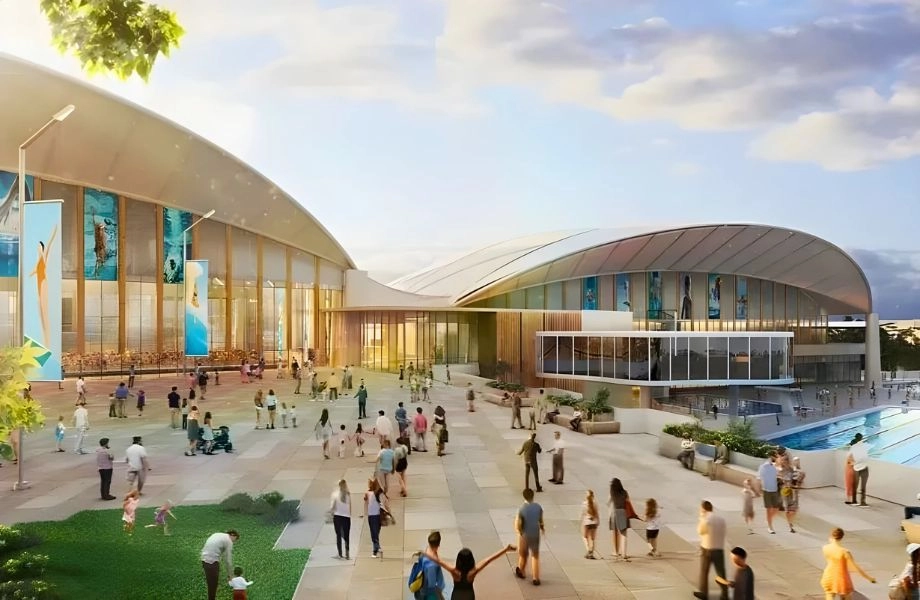
The revitalised precinct will feature the future Brisbane Stadium, a new National Aquatic Centre and the Athletes’ Village, establishing a vibrant destination for sport, recreation and community life. During the Games, Victoria Park will host the opening and closing ceremonies, with the Athletes’ Village accommodating more than 10,000 athletes and officials during the Olympics and over 5,000 during the Paralympics.

Arup & Timber Innovation: From ARC Future Timber Hub to Advance Timber Hub

Beyond their role in sports and precinct infrastructure, Arup has long been engaged in timber research and innovation in Australia. Arup was a formal partner of the ARC Future Timber Hub from 2016 to 2021, contributing to collaborative research into the viability of substituting EWP for steel and concrete in mid-rise buildings to drive down construction costs, improve occupant satisfaction and deliver healthy, low-carbon buildings.

Today, Arup continues that tradition as a partner of the ARC Advance Timber Hub, and are currently involved in 5 projects that are underway at the hub. Their involvement underscores a commitment not just to iconic urban design, but to sustainable, material-led innovation for the built environment.
Image courtesy of the Queensland Government

For further information on the Brisbane 2032 Victoria Park Masterplan, please see below links:
Architecture AU: https://architectureau.com/articles/global-design-firm-appointed-to-lead-brisbane-2032-victoria-park-masterplan/
ARUP: https://www.arup.com/news/arup-to-lead-victoria-park-masterplan-for-brisbane-2032-games-precinct/
Queensland Government: https://statements.qld.gov.au/statements/103537
The Urban Developer: https://www.theurbandeveloper.com/articles/brisbane-games-victoria-park-precinct-contractor-revealed-qld

Arup are a champion on the built environment and have published a number of articles on their website which can be seen in the below link:
https://www.arup.com/insights/

One article of note can be found in the below link, “Rethinking Timber Buildings”
https://www.arup.com/insights/rethinking-timber-buildings/

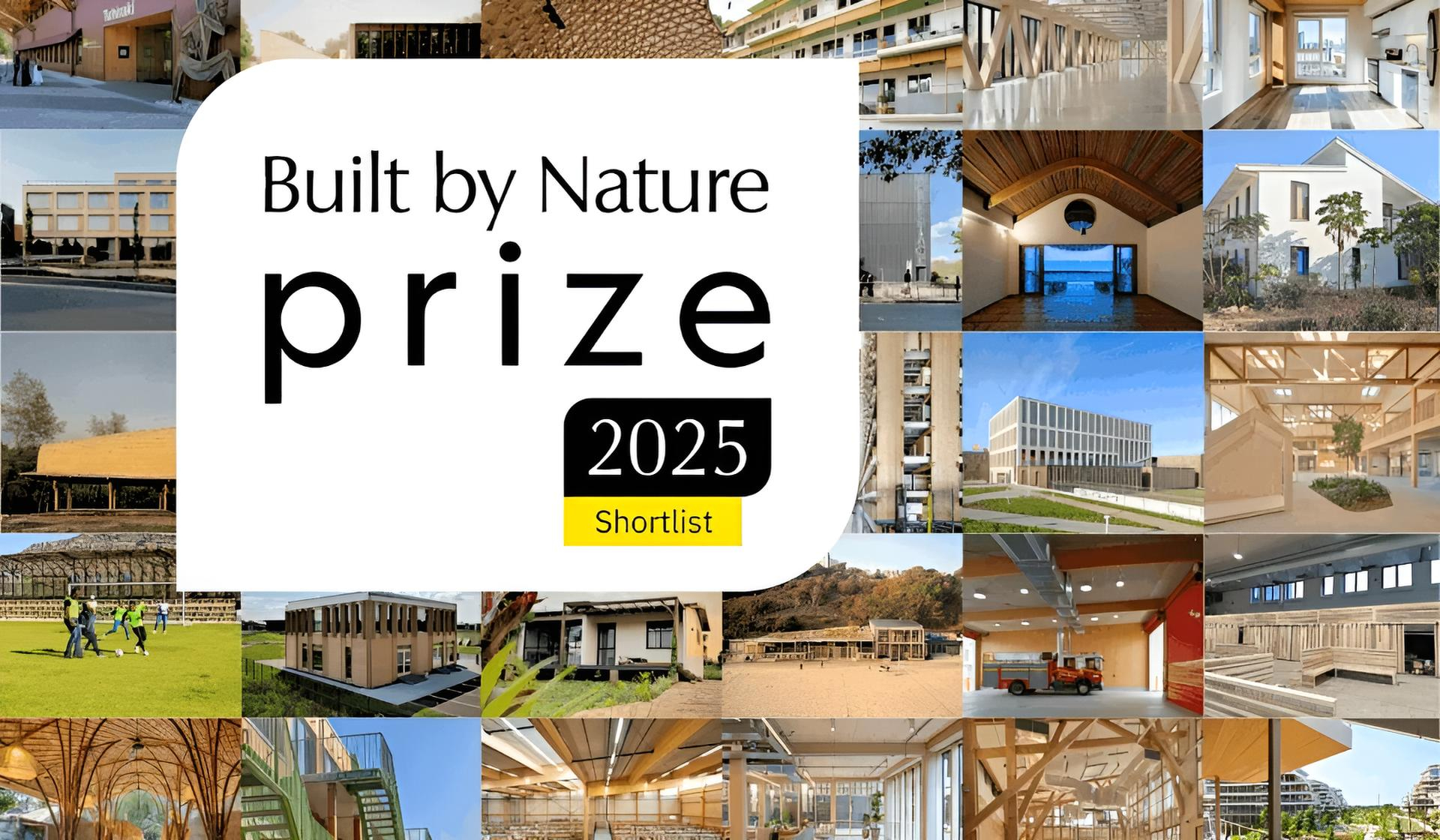
Australian Timber Fire Station Shortlisted for Built by Nature Prize 2025

The ARC Advance Timber Hub is proud to advise that the Queensland Fire and Emergency Services North Coast Regional Headquarters and Maryborough Fire and Rescue Station, which is an exemplar project by The University of Queensland Centre for Future Timber Structures, has been shortlisted for the Built by Nature Prize 2025, celebrating the projects and people driving a global transformation in timber and bio-based construction.
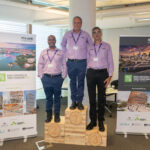
This prize celebrates responsible timber construction around the world, and is open to completed buildings predominantly made of timber and bio-based materials.  “We are honoured to be among the 28 shortlisted projects, selected from nearly 400 applications across 39 countries and jurisdictions”, said Kim Baber, who is the principal architect for the project from Baber Studio and Chief Investigator of the ARC Advance Timber Hub.

The 28 shortlisted projects were assessed against the Principles for Responsible Timber Construction—a common language and global framework to ensure that increased demand for wood is managed responsibly.

These principles are:

-Extending the life of existing buildings
-Accounting for Whole Life Cycle
-Ensuring Sustainable Forest Management
-Maximising the carbon storage potential of wood
-Promoting a timber building bioeconomy

The projects reflect a wide range of typologies—from housing, education, and workplaces to industrial facilities and public infrastructure—demonstrating the diversity and innovation in today’s timber construction sector.

From these projects, six winners and six commendations will be revealed at the Built by Nature Summit in London on 16 October.

Centre for Future Timber Structures

The Centre for Future Timber Structures (CFTS) was established in 2015 through a partnership between the Queensland Government Department of Agriculture & Fisheries (now known as the Queensland Government Department of Primary Industries) and The University of Queensland (UQ). This initiative grew into the Australian Research Council (ARC) Future Timber Hub (2016-2021) and now the ARC Advance Timber Hub (2023 to current).

Queensland Fire and Emergency Services North Coast Regional Headquarters and Maryborough Fire and Rescue Station

The Queensland Fire and Emergency Services North Coast Regional Headquarters and Maryborough Fire and Rescue Station is considered an exemplar project by UQ’s Centre for Future Timber Structures which carried out a full 3D scan of the existing structure bringing a range of intellectual property to the design team.

The principal architect for the project is Kim Baber of Baber Studio.  Mr Baber, was also involved in the project as a Chief Investigator (CI) of the CFTS / ARC Future Timber Hub (representing UQ), and is now a CI for the ARC Advance Timber Hub. As of July 2025 he is now a CI of the ARC Advance Timber Hub, representing Bond University.

Professor Carlo Prato, former Head of the UQ School of Civil Engineering, emphasised during the official opening of the site back in April 2021, how the project embodies the immense potential for success that the CFTS pursues, “I cannot think of a better example of the heights that industry and research institutions can achieve when they join forces to pursue their dreams of making sustainable buildings a reality. And similarly, I cannot think of a better symbol of the importance of having architects and engineers work together to the design of the future of sustainable built environment.”

Draft Queensland Future Timber Plan

The ARC Advance Timber Hub, represented by Director, Professor Keith Crews, is a standing member of the Queensland State Government’s Timber Supply Chain Ministerial Stakeholder Roundtable, established in May 2025, which includes representatives from Timber Queensland, AgForce, Queensland Farmers’ Federation, the Housing Industry Association, Forestry Australia, HQPlantations, Australian Forest Contractors Association and leading timber companies (such as Hub Partners, AKD & Hyne).  

The Queensland State Government has committed to delivering a landmark timber action plan, the Queensland Future Timber Plan (QFTP), to ensure the State has access to the timber required to build one million homes over the next 20 years. The Timber Supply Chain Ministerial Stakeholder Roundtable aims to assist in the design of the action plan. The role  of the Roundtable (over 12 months in line with the QFTP development timeline) will be to provide views to Government on the challenges and opportunities in ensuring a sustainable timber supply to support current and future construction needs.

Professor Keith Crews advised “This is a great measure of the impact that the ARC Advance Timber Hub is having and will have for Queensland Communities.”

DRAFT QUEENSLAND FUTURE TIMBER PLAN

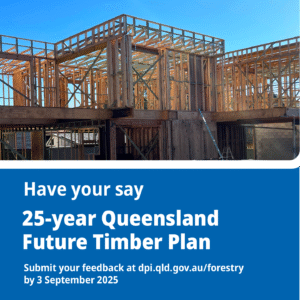
Last week the Queensland State Government released a draft Queensland Future Timber Plan, which had preliminary input from the Roundtable, and is seeking feedback by the 3rd September 2025.

Have your say on the 25-year Queensland Future Timber Plan—your insights will shape the 5-year action plan. Public consultation is now open!

The QFTP will focus on 5 key areas:

  1. Securing sustainable timber supply for housing, construction and infrastructure, and other industries.
  2. Establishing supply chain competitiveness on an international scale.
  3. Developing better regulation that the community sees benefits in.
  4. Building and retaining a viable fit-for-purpose workforce in rural and regional economies.
  5. Modernising and innovating the Queensland forestry and timber industry through research, development and extension.


Timber efficiencies could help ease nation’s housing crisis

University of Queensland researchers have found improving timber production efficiencies by just 5% could unlock supply for an extra 8,000 homes to be built in Australia each year.

Please see UQ News Article: https://www.uq.edu.au/news/article/2024/01/timber-efficiencies-could-help-ease-nations-housing-crisis

and article in Timber & Forestry ENews – Feb 1 2024 – Making more from what we have – Achievable production efficiencies could provide a part-solution for timber needs.

ARC Research Hub to Advance Timber for Australia’s Future Built Environment launched by Senator the Hon Anthony Chisholm

The University of Queensland leads $16.5 million research hub focused on advancing sustainable timber in Australia’s future built environment.
For decades, gleaming towers of steel and concrete have defined city CBDs.
It’s as if we’ve built our cities to match our science fiction dreams of what our future should look like, rather than a future based on what’s sustainable and what’s best for our health and well-being.

Steel and cement are responsible for 10 percent of mankind’s greenhouse gas emissions,[1] and their extensive use in construction needs to be reconsidered if we’re to reach net zero by 2050.

But what if we had an alternative building material that’s as strong and cost-effective, as well as more natural and renewable? What if we could ‘grow’ high rise buildings?

We can, and we are.

Assistant Minister for Education and Assistant Minister for Regional Development, Senator the Hon Anthony Chisholm, today (January 31) opened the new $16.5 million Australian Research Council Research Hub to Advance Timber for Australia’s Future Built Environment (ARC Advance Timber Hub), at The University of Queensland (UQ).

The ARC Advance Timber Hub will promote the use of sustainable timber in some of Australia’s biggest construction projects.

“Timber’s ability to sequester carbon, to reduce the carbon footprint of construction, makes it ideal for construction companies wanting to show their green credentials,” said UQ’s Pro-Vice-Chancellor (Research), Professor Rachel Parker.

Advanced technologies are now producing timber products that rival steel and concrete for strength and cost-effectiveness in the construction of multi-storey office and apartment buildings.

These engineered timber products are also relatively light weight, flexible, and safer to work with, said Professor Parker.

Engineered wood from sustainably managed forests can also be prefabricated offsite, fire-resistant, and reusable. And the construction industry is already demonstrating, dramatically, how well engineered timber works in mid to high-rise buildings.

A 10-storey office block at 25 King Street in Brisbane, a co-creation between Lendlease and Aurecon, is currently the tallest engineered timber office building in Australia.

It will soon be dwarfed by others, including the Atlassian hybrid timber building in Sydney[2] and a 191-metre tall C6 hybrid tower in Perth.[3]

Many of the industry partners involved in the ARC Advance Timber Hub are involved in the design and construction of many of these new buildings.

“What the ARC Advance Timber Hub helps us envisage and realise is an environment that’s a bit closer to the natural world – and one that’s also more practical, sustainable, and more suited to our well-being,” said Professor Parker.

“And that’s the other benefit of timber. It feels right, it feels natural, and research shows that timber in our buildings is good for our mental health and productivity.”

The ARC Advance Timber Hub builds on the work and expands the scope of the ARC Research Hub to Transform Future Tall Timber Buildings, which wound up in 2021.

Since then, said Professor Parker, it’s become increasingly clear that timber will play a key role in helping Australia transition to a circular and net-zero economy.

“Of course, now that we’ve had our researchers look more closely at the incredible advantages of timber, we’ve been able to develop the products that go a long way to replacing concrete and steel in many building applications. And of course, timber is the only modern building material that is truly renewable.”

The confidence in timber’s future role in the construction industry led to the ARC announcing in 2022 the funding for this new hub, based in UQ’s School of Civil Engineering.

Director of the ARC Advance Timber Hub, Professor Keith Crews, said there’s now a need to encourage and support more construction companies using engineered wood in building projects.

“This requires comprehensive research and development to demonstrate the benefits to both government and private sector building clients, coupled with motivating broader social demand for greater use of timber, along with a technical research agenda to motivate manufacturing investment.”

The hub is collaborating with 28 industry partners to help its researchers test and develop new materials for the construction industry.

“Collaboration between industry and academia is essential when we push back the frontiers of any field. And that’s really what we’re doing with the use of timber in the construction industry.”

The ARC Advance Timber Hub brings together many of the country’s best timber scientists, engineers, architects, and building experts.

Led by UQ, the hub employs chief investigators from 12 Australian Universities: UQ, Griffith University, The University of Tasmania, The University of Melbourne, The University of Southern Queensland, The University of Sydney, UTS, QUT, Deakin University, UNSW, RMIT, and Monash University.

It also has partner investigators from five international institutions in Sweden, New Zealand and Canada.

Today’s opening of the ARC Advance Timber Hub was also attended by ARC Acting Chief Executive Officer, Dr Richard Johnson; Queensland Government Architect Ms Leah Lang; senior UQ leaders, and industry and university partner representatives.

Please also see related UQ News Article: Timber efficiencies could help ease nation’s housing crisis

and Senator Hon Anthony Chisholm’s Media Release: New timber research hub to transform sustainable construction

ARC Advance Timber Hub Launch Presentation: Professor Keith Crews

Timber & Forestry ENews – Feb 8 2024: New timber hub at UQ already delivering results

[1] Steel, concrete and climate change – The Institution of Structural Engineers (istructe.org)

[2] The world’s tallest hybrid timber tower to be built in Sydney | CNN

[3] Australia will be home to the world’s tallest timber tower | CNN

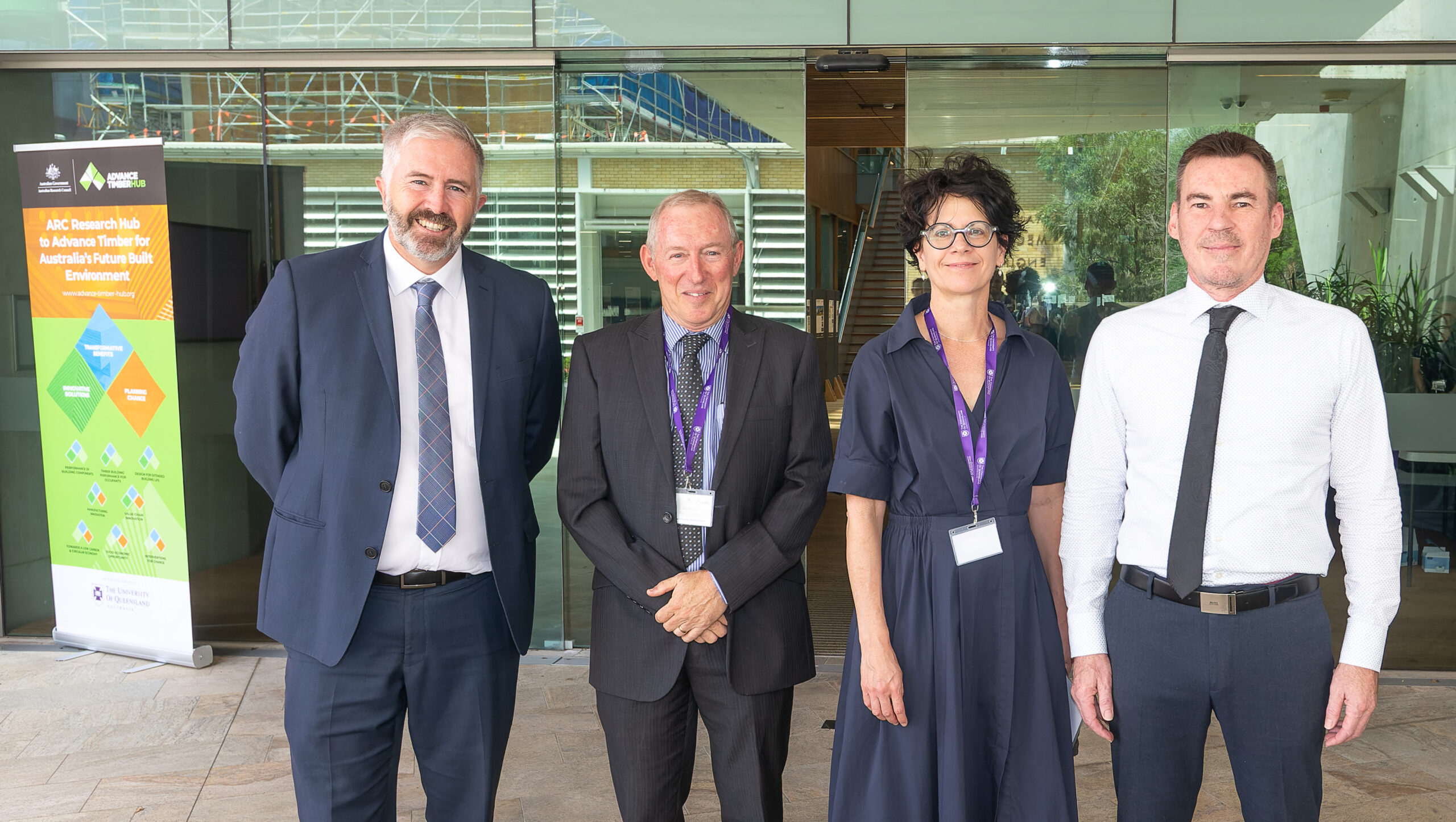
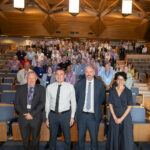
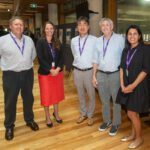
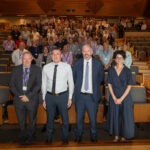
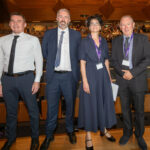
Senator the Hon Anthony Chisholm, Professor Keith Crews, Professor Rachel Parker and ARC Acting CEO, Dr Richard Johnson


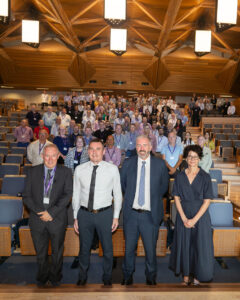
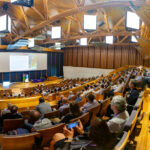
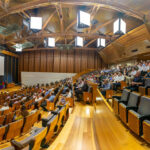
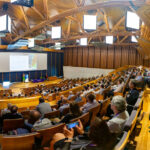
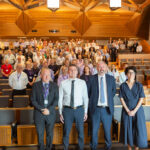
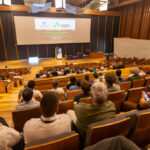
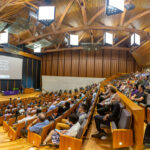
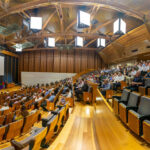
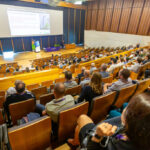
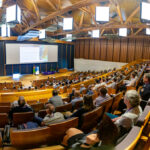
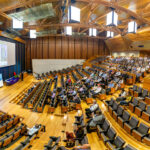
Attendees gathered in the UQ’s Advanced Engineering Building Auditorium


Australian Government signs up to increase the use of timber in buildings by 2030

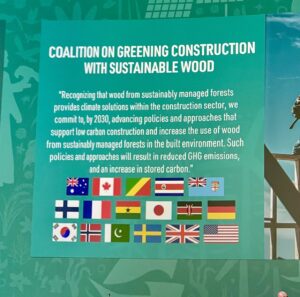
The Forest and Climate Leaders Partnership Coalition on Greening Construction with Sustainable Wood announced today that at COP28, in Dubai, the Australian Government, with 16 other countries committed to increase the use of timber in the built environment by 2030.

Natasa Sikman, Acting CEO of the Australian Forest Products Association (AFPA), announced in AFPA’s Media Release that, “AFPA congratulates the Australian Government for signing up to this Coalition and its commitment today. Wood from sustainably managed forests provides climate solutions within the construction sector.

“This is an important step in the right direction by the Australian Government to build confidence in the timber construction market. We look forward to continuing our work with the Government on developing enabling policies which will turbo charge a greater use of wood in the built environment.”

The 17 member Coalition, of which Australia is a member, today committed to advance policies and approaches that increase the use of wood in the built environment by 2030. The Coalition recognises that such policies and approaches will result in reduced Greenhouse Gas Emissions and an increase in stored carbon.

“Ministers from Kenya and Costa Rica announced the need to increase the use of wood in the built environment in the race to net zero,” Natasa Sikman said.

“Speakers made clear that the products from sustainably managed forests have multiple benefits for the building sector, replacing plastics, and delivering positive outcomes for local communities. Sustainably managed forests also help protect nature and biodiversity from deforestation and the threats from climate change.”

Today’s announcement builds on the recognition in the latest report from the Federal Government’s own Climate Change Authority (CCA) which cited the ‘carbon stored in trees’ as well as ‘harvested wood products’ helped reduce Australia’s greenhouse emissions in the year to June 2023. This at a time when total national emissions increased to 467 million tonnes, an increase of 4 million on the previous year. It is timely the Government has announced a commitment to ramp up the use of timber in the built environment.

For further information: Brisbane Olympics $7B Pledge for ‘Greener’ Venues: What’s Next

Professor Keith Crews, Director of the ARC Research Hub to Advance Timber for Australia’s Future Built Environment (ARC Advance Timber Hub), said that “This is an important strategic direction for the ARC Advance Timber Hub. The Hub is committed to the future development of sustainable timber buildings and the emerging opportunities and innovations that are needed in manufacture, supply, design and construction. The Hub’s large research team from 11 Australian Universities and 5 International Universities / Research Institutes, in collaboration with our 28 industry partners, can provide expert assistance in making an increase use of sustainable timber in the built environment a reality.”

COP28, Dubai – Forest and Climate Leaders Partnership announcement on the Coalition on greening construction with sustainable wood.


Timber 2032 Forum – Going for Gold on National Forestry Day

Queensland Government officials and timber industry representatives met at The University of Queensland on the 22 August 2023 “National Forestry Day” to discuss utilising mass timber construction and other timber products together with establishing timber plantations to achieve a “climate positive” Brisbane 2032 Olympic and Paralympic Games.

The Timber 2032 Forum was hosted by Timber Queensland and the ARC Advance Timber Hub.

Timber Queensland’s Strategic Relations and Communications Manager Clarissa Brandt said, “National Forestry Day is the ideal time to highlight how the natural warmth and beauty of wood can enhance the overall atmosphere of the venues and athlete villages, creating a memorable experience for athletes and spectators alike whilst delivering an infrastructure and natural capital asset legacy for Queensland.”

“Brisbane 2032 is a chance for Queensland’s timber industry to shine alongside our athletes. Our beautiful hardwood and softwood timbers are the gold medal solution to lowering emissions and reducing embodied carbon in construction,” she said.

“Timber 2032 Forum attendees will also gain insights into another winning aspect of using timber; the health and wellbeing benefits associated with timber buildings to improve Olympic athletes, and subsequent residents, mental state, stress levels and performance.”

Professor Keith Crews, ARC Advance Timber Hub Director, reiterated on the day, “The purpose of today was to firstly showcase what can be done with wood, and secondly, and especially, to start a conversation about how timber can contribute towards a carbon positive games and perhaps more importantly what the legacy might be beyond that and how there can be a lasting value for Queensland and Australia more broadly. The people in this room can make this happen if we work together.”

Mrs Brandt said the Queensland Government’s Brisbane 2032 Legacy Plan defines how to drive economic, social and environmental outcomes that ensure lasting benefits before, during and after the Games.

“Planting production trees ticks all the boxes for delivering a climate positive legacy. A Legacy Plantation would deliver carbon sequestration to offset Olympic infrastructure construction, it would grow regional jobs now and into the future and it would help provide a solution to our growing timber production shortfall.

“To put this in perspective – by 2035 Queensland will face a timber production shortfall for house frames equivalent to the size of Cairns, because we don’t have the trees growing in the ground right now to meet that demand. The shortfall gap will only get worse if action is not taken.”

“National Forestry Day is the perfect opportunity for Government decision makers to reflect about the important role of timber and wood in everyday lives as well as how it will be utlised for Brisbane 2032. Happy National Forestry Day 2023!,” said Clarissa Brandt.

To learn more, please view Wood Central’s article “Brisbane 2032 Olympic Decision Makers Discuss Timber & Carbon” and follow on article “Architects Back Timber Vision for Brisbane 2032 Olympics”.

ARC Advance Timber Hub Chief Investigators, Associate Professor Paul Dargusch and Associate Professor Joe Gattas, alongside Mahomed Ayoob, Technology Strategist, Microsoft presented on “Utilising timber in construction to lower emissions and reduce embodied carbon: life cycle assessment and greenhouse gas Inventory of mass timber buildings”.

This video represent the work to be undertaken in the ARC Advance Timber Hub Research Nodes “Towards a Low-Carbon & Circular Economy” and “Value-Chain Innovation”.